
Understanding the Ingredients of Traditional Persian Dishes
- Chelo
- Aug 25, 2025
- 5 min read

Embark on a culinary journey through the rich and diverse flavors of Persian cuisine. Known for its fragrant aromas and complex tastes, traditional Persian dishes are a delightful blend of various ingredients, each carrying its own significance and story. In this blog, we'll unravel the key ingredients that create the authentic taste of Persian cuisine, helping you appreciate and understand the magic behind these classic dishes.

Aromatic Spices: The Heart of Persian Cuisine
Spices such as saffron, turmeric, cinnamon, and cardamom are fundamental to Persian cooking. These spices not only add vibrant color but also imbue the dishes with depth and warmth. Discover how each spice is used to balance and enhance flavors in traditional Persian recipes.
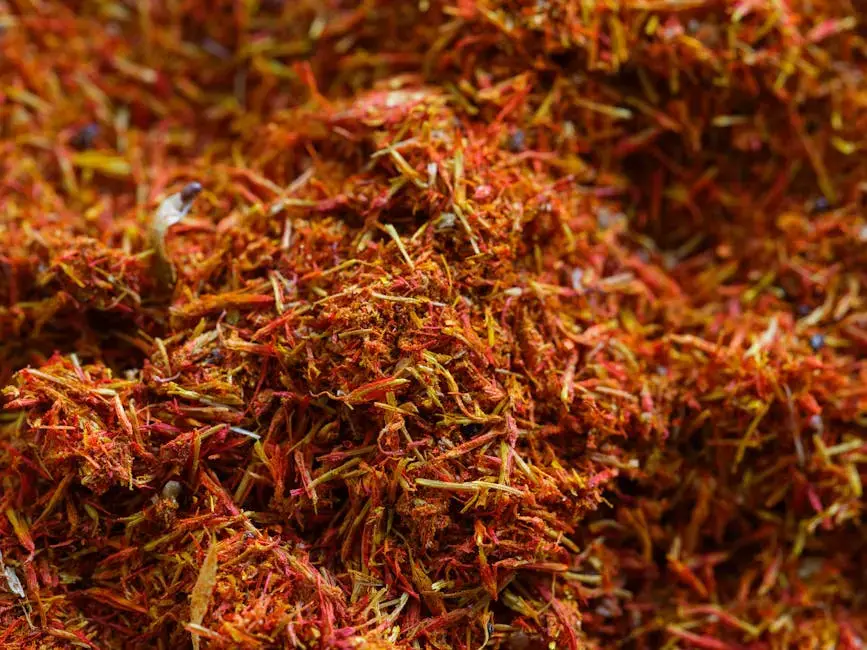
Saffron, often referred to as the 'golden spice', holds a place of honor in Persian kitchens. Known for its distinct color and delicate aroma, saffron is a critical ingredient in iconic dishes like 'Tahdig' and 'Baghali Polo'. The thread-like spice is harvested meticulously and in small quantities, which explains its weighty price tag. However, a little goes a long way, and saffron's subtle floral notes can elevate both savory and sweet creations alike. Meanwhile, turmeric lends its earthy undertone and vibrant yellow hue to stews, balancing the stronger flavors of meats and legumes. This spice is not only prized for its flavor contributions but also for its anti-inflammatory properties, making it a valuable addition to any pantry.
Interestingly, Persian cuisine often employs a 'spice layering' technique, where spices are added at various stages of cooking to build complexity. Cinnamon and cardamom, for instance, are ideal in desserts and festive rice dishes. With its sweet-spicy warmth, cinnamon adds a comforting depth to Persian 'Fesenjan', a pomegranate walnut stew. Cardamom, on the other hand, is a star player in both the aromatic rice dish 'Shirin Polo' and the traditional Persian love cake. Naturally, understanding and exploring the various uses of these spices helps unravel the profound world of flavor that defines Persian cuisine.
Essence of Fresh Herbs: Elevating Every Dish
Fresh herbs like parsley, cilantro, and mint are staples in Persian cooking, often used in abundance. These herbs bring a burst of freshness and are key to making dishes like 'Kuku Sabzi' or 'Sabzi Polo' truly unforgettable. Learn how to incorporate these herbs into your own cooking to capture the essence of Persian culinary art.
In Persian cuisine, the use of fresh greens is nothing short of an art form. Take 'Kuku Sabzi', for instance, a traditional Persian herb frittata that celebrates the vibrant freshness of greens and the artistry of balance and flavor. In this dish, herbs are not merely a garnish; they serve as the main ingredient, offering a fresh aroma and taste that lighten up the usually meat-driven Persian menu. Similarly, the herb combination in 'Sabzi Polo', a fragrant rice pilaf with herbs, pairs impeccably with fish or lamb, showcasing just how pivotal herbs are as an ingredient and not just an accompaniment.
The versatility of herbs extends beyond single dishes into the realm of salads and condiments like 'Mast-o-Khiar', a refreshing Persian yogurt and cucumber dish enhanced with mint and dill. This blend of fresh ingredients underscores a harmony that Persian cuisine is famed for, one of balancing taste with texture. As you delve into Persian recipes, keep in mind that the herbs should be fresh and generously used to get the authentic flavors. This practice is not only about achieving flavor but also about the health merits these herbs bring to the table.
The Sweetness of Fruits and Nuts
Fruits such as pomegranates, apricots, and raisins, along with nuts like pistachios and almonds, are frequently paired with savory dishes to create a delightful contrast of flavors. This section explores how these ingredients are skillfully woven into Persian stews and sauces.
In the tapestry of Persian culinary delight, fruits and nuts are not merely toppings but integral components that contribute to the rich flavor narrative. Pomegranate, with its tart and sweet personality, bestows a unique touch to dishes like 'Fesenjan'. Its vibrant seeds are not only popped into the stew but are also used as an enchanting garnish. Meanwhile, almonds and pistachios bring both texture and richness, their delicate crunch harmonizing perfectly with the tenderness of fragrant rice pilafs.
Apricots and raisins are frequently incorporated into lavish Persian rice dishes like 'Shirin Polo', imparting a natural sweetness that perfectly offsets the savory elements. They are natural sweeteners, minimizing the need for added sugars while enhancing the depth of flavor with their inherent tart-sweet balance. When paired with spices like cinnamon and cardamom, these fruits transform a simple dish into a feast full of contrasts—a reflection of Persian cuisine's rich and diverse cultural influences.
Staple Grains: The Foundation of Many Meals
Rice and bread are essential components of Persian meals. From 'Tahdig', the crispy saffron rice, to 'Lavash', the thin flatbread, grains provide a comforting base for many dishes. Discover the unique techniques that make Persian rice dishes stand out in the culinary world.
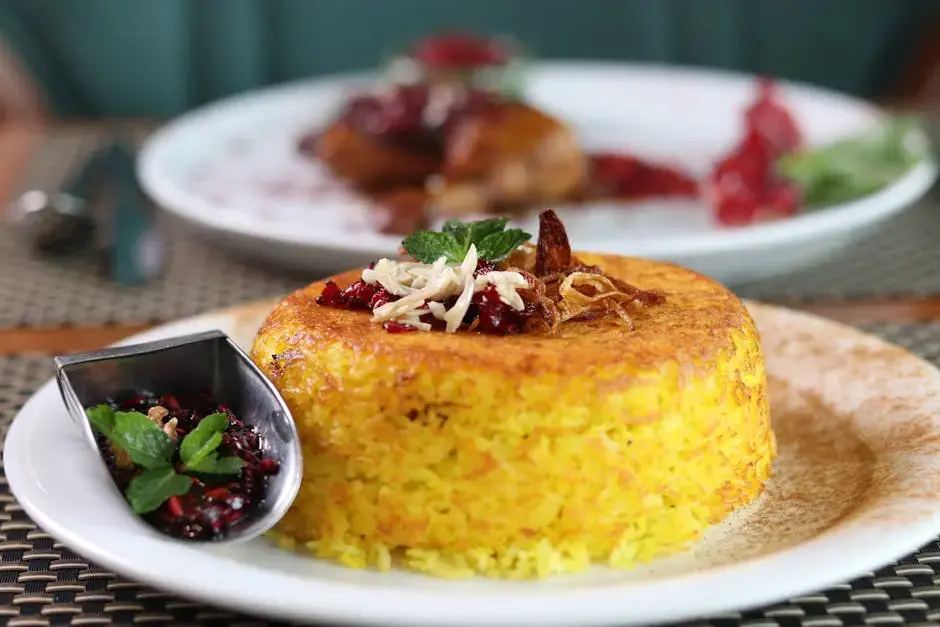
The cultivation and consumption of grains such as rice and wheat hold a special place in Persian culinary traditions. 'Tahdig' is perhaps one of the most famous outcomes of this relationship, where the bottom layer of a rice pot is allowed to crisp up into a delectable golden crust adorned with saffron. This crispy treat is often the highlight of any meal, celebrated at the center of the table during gatherings and family meals.
Flatbreads like 'Lavash' and 'Sangak' are also indispensable on the Persian table. While 'Lavash' is valued for its versatility and can be found accompanying kebabs and stews, 'Sangak' with its chewy texture and unique oblong shape is served during special occasions. They provide a vessel for soaking up the rich sauces or wrapping up bite-sized pieces of marinated meats, making them essential to the Persian dining experience. Understanding the pivotal role these staples play in Persian cuisine allows you to appreciate how simplicity can transform a meal into a culinary masterpiece that nourishes the soul as much as the body.
Meats and Legumes: Building Hearty Flavors
Lamb, chicken, and beef, along with legumes like lentils and chickpeas, form the protein-packed element of many traditional dishes. Explore how these ingredients are slow-cooked to perfection, resulting in tender, sumptuous meals.
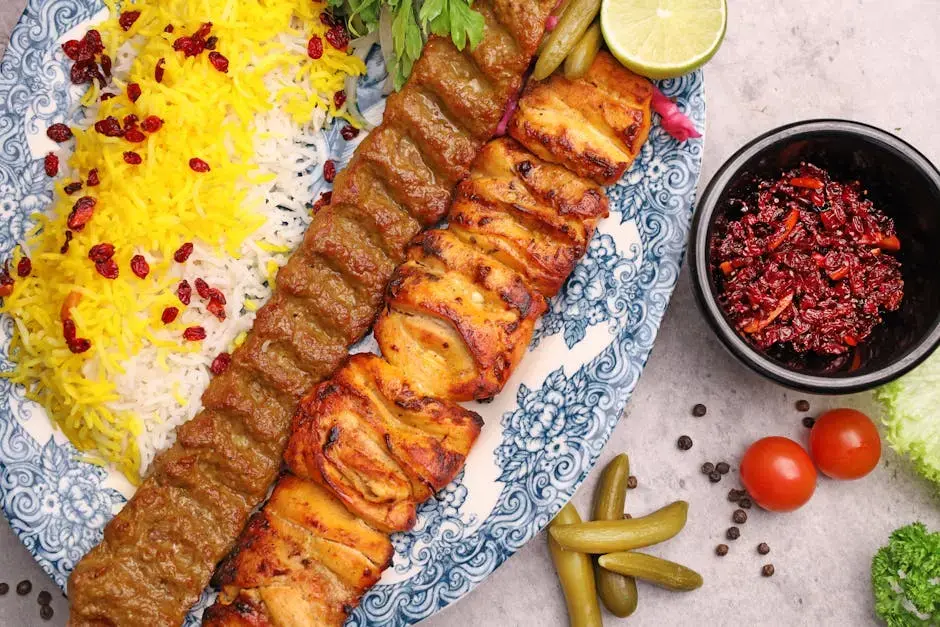
Protein elements form the cornerstone of heartwarming Persian meals. Take the beloved stew 'Khoresht', which often features tender chunks of lamb, slow-cooked with a meld of spices until deeply flavorful and tender. This method of slow cooking allows the meat to absorb the spices and create a rich broth that is both comforting and nourishing. Chicken, too, finds itself at home in Persian dishes, either grilled to perfection in saffron-infused marinades or cooked slowly in delightful tagines.
Legumes such as lentils and chickpeas are not overlooked either, often combined with rice or served as the main ingredient in dishes like 'Kichri' or 'Khoresht Gheymeh'. These plant-based proteins bring substance and creaminess to the meal, adding a nutritional boost alongside the savory satisfaction they provide. When you dive into the recipes, you find that the generosity of herbs, spices, and carefully selected grains work in harmony with the proteins, creating wholesome, flavorful feasts that stand the test of time and remain at the heart of Persian celebrations.
Bringing Persian Flavors to Your Kitchen
Understanding the ingredients and their significance in traditional Persian dishes allows us to appreciate not only the taste but also the culture and history behind each meal. Whether you're a seasoned cook or a curious foodie, the flavors of Persian cuisine are sure to captivate your senses and enhance your culinary repertoire.
Comments