
12 Ways Saffron Transforms Persian Cuisine for Unforgettable Flavors
- Chelo
- Apr 9, 2025
- 5 min read

Saffron, often referred to as 'red gold,' is a staple in Persian cuisine. Its unique flavor profile and vibrant color make it an essential ingredient, transforming ordinary dishes into extraordinary culinary delights. In this blog, we'll explore how saffron enhances Persian dishes, taking your taste buds on an unforgettable journey.

1. Enhancing Aromatic Rice Dishes
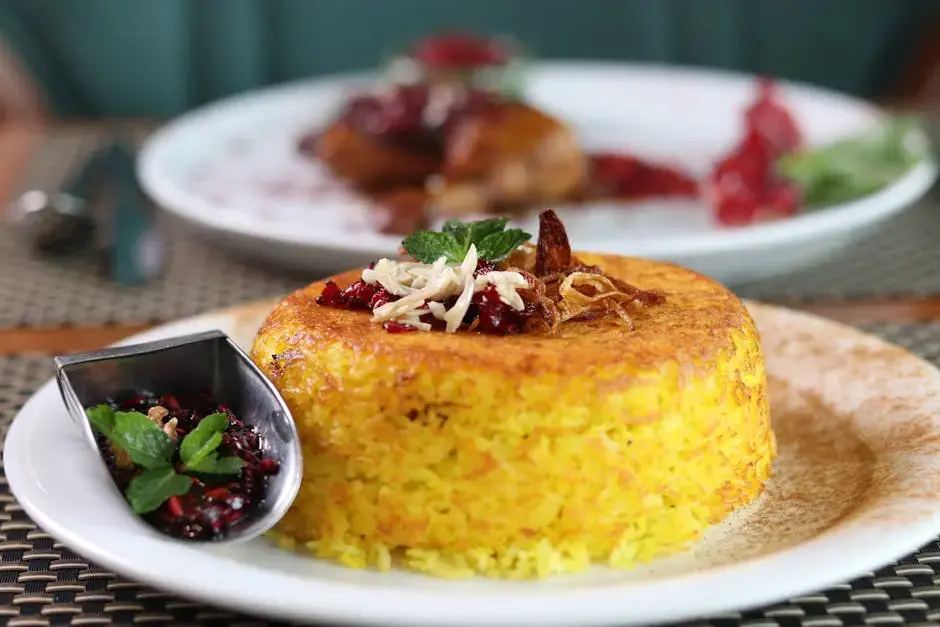
Saffron is renowned for giving Persian rice dishes like Tahdig and Jeweled Rice their signature aroma and golden hue. Just a pinch can elevate these dishes to new sensory heights. The process of steaming the rice with saffron allows the flavors to meld, creating a harmony of taste and appearance. When you serve saffron-infused rice, it becomes the centerpiece of the meal, drawing everyone in with its enticing fragrance.
In Jeweled Rice, saffron works alongside ingredients like barberries and pistachios, adding layers of complexity. This dish, traditionally served at weddings and special occasions, stands as a testament to saffron's ability to transform a simple grain into a luxurious delicacy. It's not just about color—it's about the aroma that wafts through your kitchen, promising a feast for the senses.
2. Rich Addition to Stews
In Persian stews, known as 'Khoresh,' saffron plays an integral role. It blends seamlessly with other spices, enhancing the flavors of tender meats and fresh vegetables. As the stew simmers, saffron releases its aromatic compounds, infusing every spoonful with depth and character.
For instance, in the popular Fesenjan stew, the sweet and sour pomegranate base paired with saffron creates a symphony of flavors that is both comforting and exotic. This balance of spices exemplifies the unique charm of Persian cuisine, turning an ordinary dish into something truly remarkable. Saffron's contribution to these stews showcases its versatility and essential place in Persian cooking.
3. Saffron-Infused Desserts
From Saffron Ice Cream to the delicate Persian Love Cake, saffron's unique flavor profile complements the sweet notes, making desserts truly unforgettable. In these treats, saffron adds not only a visual appeal with its striking color but also a mystical aroma that captivates the senses.
Take the Saffron Ice Cream, for example. Known as Bastani, this sweet delight melds floral saffron with rosewater and cream, creating a complex flavor profile that's both rich and refreshing. Each bite transports you to a Persian bazaar, vibrant and full of life, evoking the magic of seasonal festivities. It's this very magic that elevates saffron-infused desserts, making them a staple at Persian celebrations.
4. Creating Vibrant Saffron Teas
Saffron tea is a beloved beverage in Persian culture. Its bright color and floral notes make it a perfect, soothing drink for any time of the day. Whether enjoyed hot or iced, saffron tea offers not only a refreshing taste but also potential health benefits, some of which include mood-enhancing properties as noted in various studies.
The preparation of saffron tea is simple yet ceremonial; a few strands steeped in hot water result in a liquid gold that soothes and invigorates. It's not uncommon to find saffron tea served during Persian gatherings, where it offers warmth and hospitality, symbolizing the essence of Persian culture and its emphasis on community and sharing.
5. Elevating Kebabs with Saffron Marinades
Marinating meats for kebabs with saffron infuses them with a tantalizing flavor, creating a perfect balance that elevates these grill favorites. The saffron marinade deeply penetrates the meat, resulting in a juicy, aromatic bite that's unparalleled.
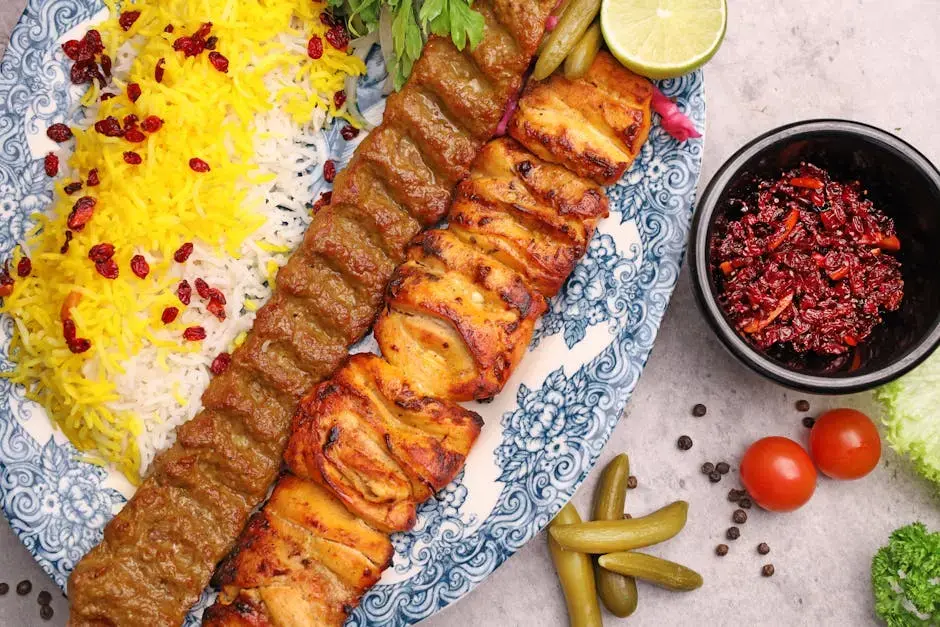
Known as 'Joojeh Kebab,' these saffron-marinated chicken skewers are often accompanied by grilled tomatoes and seasoned rice, creating a dish that's both simple and sumptuous. The saffron not only enhances the flavor but also brings a golden hue to the marinade, making the kebabs as visually enticing as they are delicious. This infusion reflects a culinary tradition that values both aesthetic appeal and taste.
If you're interested in trying this at home, consider checking out our guide on making traditional Persian Saffron Kebabs.
6. Garnishing Soups and Broths
Saffron lends its vibrant color and subtle taste to soups and broths, enriching the flavor and providing visual appeal that captivates the senses. When added to dishes like Ashe Mast, a yogurt soup, saffron transforms the ordinary into the extraordinary.
Its nuanced flavor pairs beautifully with other aromatic herbs, ensuring that every ladleful offers a rich tapestry of tastes. This subtlety is key; saffron should not overpower but rather enhance. Even a modest pinch can illuminate a standard broth, bringing it to life with golden luminosity and warmth.
7. Enhancing Fish Dishes
Saffron enhances the natural flavors of fish dishes, making it a perfect pairing with the lightness of seafood in Persian cuisine. Whether used in a marinade or as a garnish, saffron complements the delicate essence of fish without overwhelming it.
In dishes like Saffron Steamed Salmon, the spice highlights the freshness of the fish, offering a balance that's both sophisticated and subtle. The saffron aroma envelopes the dish, ensuring that each forkful is a sensory delight. By enhancing, rather than masking, the natural properties of the fish, saffron exemplifies its role as an indispensable component in Persian seafood dishes.
8. Saffron's Role in Traditional Persian Snacks
Whether in pastries or savory snacks, saffron offers a unique taste that distinguishes Persian nibbles from others, making every bite memorable. These snacks often draw from a rich tradition of spice balancing, where saffron plays an essential role.
Take, for instance, the popular Persian saffron and cardamom cookies, known as 'Nane Berenji.' Here, the saffron not only colors the dough but infuses the cookies with a fragrant aroma, creating a warmth and sweetness that's both inviting and aesthetically pleasing. These snacks are more than just a treat—they're a reflection of Persian hospitality and culinary artistry.
9. Crafting Flavorful Saffron Sauces
Persian cuisine often includes sauces where saffron's subtle flavors and color contribute to the overall complexity and presentation of dishes. Saffron sauces can offer an unexpected layer to grilled vegetables or meats, enhancing their natural flavors.
The creation of saffron sauce is an art, carefully blending saffron with yogurt, herbs, or even citrus, resulting in a concoction that elevates the dish it accompanies. The bold yellow hue of saffron sauce offers a vibrant contrast to the rich colors of grilled or roasted foods, making it not only a taste sensation but a feast for the eyes as well.
10. A Splash of Saffron in Refreshing Persian Drinks
Saffron is sometimes used to infuse drinks with an exotic flavor, offering a refreshing and distinctive taste that complements Persian refreshments perfectly. Classic Persian drinks like Saffron Lemonade showcase how this spice can be infused into chilled beverages, enriching them with a delightful twist.
The creation of such drinks involves infusing saffron strands with water, allowing their floral notes to unfold gently. When combined with citrus, the vibrant aroma of saffron shines through, revitalizing the palette. These drinks are a testament to Persia's innovation in using flavors to create unique and unforgettable experiences.
11. Preserving Saffron's Integrity in Cooking
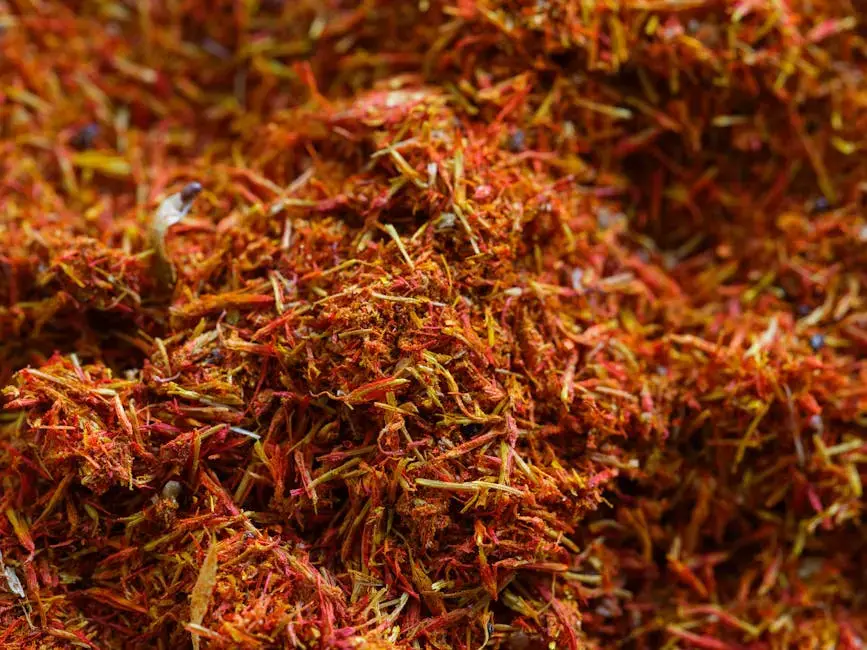
Properly handling saffron is crucial for retaining its flavor and color, ensuring that every dish captures the essence of this prized spice. It's essential to soak saffron threads in warm water or milk before adding them to dishes, allowing them to release their full potential.
Moreover, storing saffron in an airtight container in a cool, dark place helps preserve its quality. By understanding these handling and storage techniques, you can maintain saffron's integrity, allowing your Persian dishes to achieve the richness they deserve.
12. Saffron's Cultural Significance in Persian Celebrations
Saffron is not just an ingredient; it's a cultural symbol of hospitality and celebration, often featured in dishes for special occasions and gatherings. In Persian New Year, known as 'Nowruz,' saffron rice is a central feature, symbolizing renewal and prosperity.
During weddings, saffron's vibrant appearance and rich aroma mirror the festivity and joy of the occasion. It's more than a spice; it's a tradition woven through the very fabric of Persian society, representing an enduring connection to heritage and family.
Comments