
Elevate Your Taste Buds with Persian Vegetarian Flavors
- Chelo
- May 31, 2025
- 4 min read

Dive into the rich tapestry of Persian culinary heritage, where vibrant flavors and aromatic spices come together to create unforgettable vegetarian dishes. In this blog, we'll explore the essentials of Persian vegetarian cuisine, offering you an exciting journey into this delightful world.

Understanding the Essence of Persian Vegetarian Cooking
Persian cuisine is a mesmerizing world of flavors and aromas that gracefully balance the sensibilities of Eastern tastes. The vegetarian aspect of Persian cooking involves a thoughtful curation of ingredients that aim to capture the essence of this rich tradition. At the heart of many Persian dishes lies a harmony between simple yet profound flavors; imagine the juxtaposition of fragrant saffron mingling with the tartness of sumac. Such combinations are common in Persian cuisine, each dish telling a unique story of cultural fusion that has evolved over centuries.
The use of fresh herbs is a hallmark of Persian vegetarian cooking. Parsley, cilantro, dill, and chives are staples that contribute not just freshness but a tantalizing depth to many dishes. These herbs are not just garnishes; they are key ingredients that elevate the dishes' profiles. For instance, traditional Persian stews often highlight a combination of fresh and dried herbs, creating a rich tapestry of tastes and aromas that linger on the palate and in memory.
Key Persian Ingredients to Enhance Your Meals
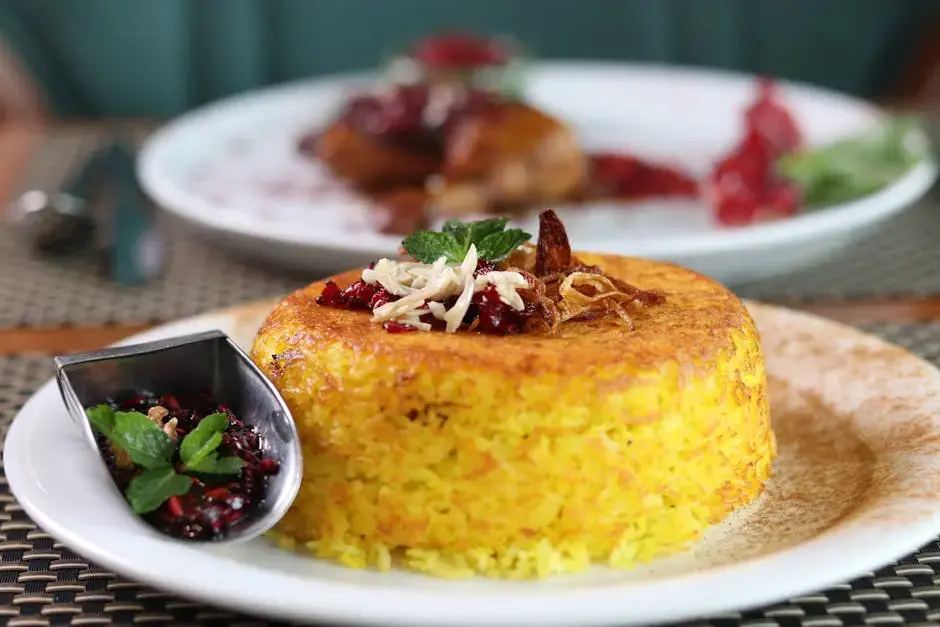
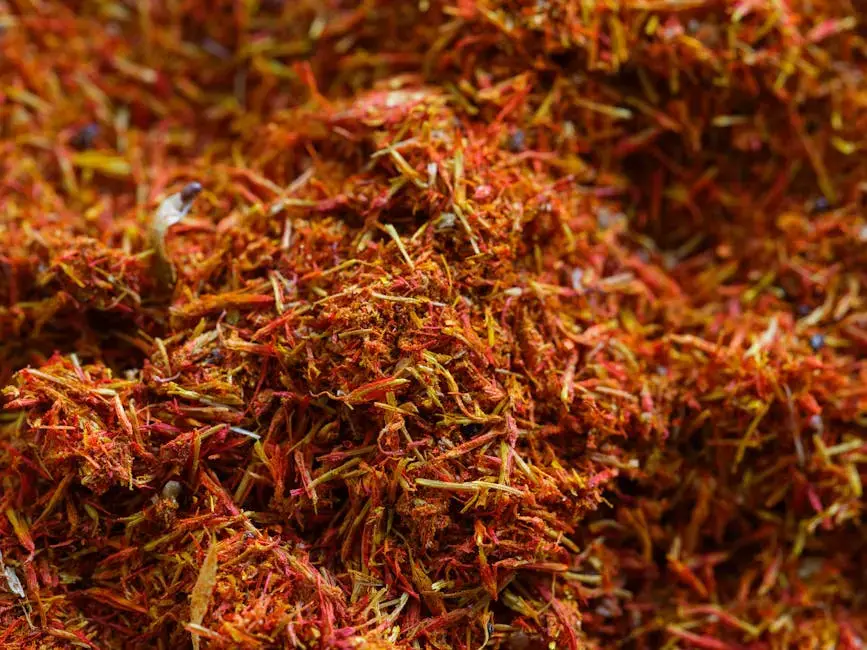
Saffron, often heralded as the 'King of Spices,' is indispensable in Persian cooking. Its subtle yet unmistakable presence transforms any dish into a culinary masterpiece. Considered a luxurious ingredient, it imparts a golden hue and a unique aroma, making it a popular choice for rice dishes like Tahchin and festive desserts. Each thread of saffron is meticulously harvested, an effort that contributes to its exquisite price but even more to its unparalleled quality.
Another cornerstone of Persian vegetarian cuisine is the dried lime. Fresh limes are sun-dried until they're nearly black and hard, then used to add a tangy depth to stews and soups. When simmered, they infuse the dish with a bright, acidic dimension that enlivens the earthiness of legumes and vegetables commonly found in Persian cuisine. Giving dishes like Ghormeh Sabzi their signature taste, dried limes are treasures in the Persian pantry.
Rose water and pomegranate molasses are two quintessential ingredients that offer a glimpse into the luxurious side of Persian cooking. Rose water infuses a distinctive floral aroma into sweets like Bastani Sonnati (saffron ice cream), while pomegranate molasses lends a sweet and sour kick to mains like Fesenjan, a walnut and pomegranate stew. These ingredients encapsulate the exotic allure of Persian flavors, allowing chefs and home cooks alike to recreate the magic within their kitchens.
Classic Persian Vegetarian Dishes to Try
Kuku Sabzi, an annual fixture during Nowruz (the Persian New Year), is a manifestation of spring on a plate. This dish maximizes the use of fresh herbs, with parsley, cilantro, and dill making up the bulk of the ingredients, resulting in a vibrant green frittata that is as nutritious as it is delicious. The crisp exterior and flavorful interior of Kuku Sabzi provide a textural delight that pairs wonderfully with tangy sides like yogurt or pickled garlic.
Mirza Ghasemi is a smoky eggplant dish from the northern regions of Iran, known for its rich, complex flavors. The importance of the smoky eggplant flavor is paramount; the eggplant is roasted over an open flame until perfectly charred, lending a gorgeous depth to the dish. Combined with tomatoes and garlic, the amalgamation is a culinary ode to simplicity, using only a few ingredients but delivering a powerful punch of flavor.
Ash Reshteh is a comforting noodle soup that showcases the Persian love for stews. Packed with herbs, lentils, and beans, this dish is enriched with kashk, a form of fermented whey, lending a delightful tanginess that balances the otherwise earthy flavors. Often prepared during celebrations, this hearty dish highlights the Persian tradition of sharing, bringing people together over food and embodying the cultural warmth and hospitality.
Pairing and Serving Suggestions
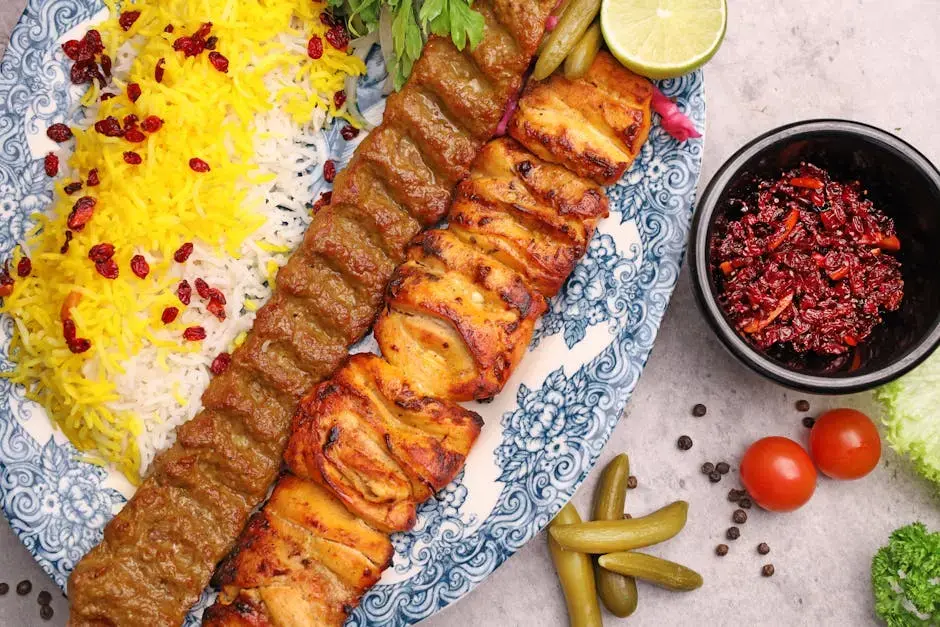
To complete your Persian meal experience, pairing these dishes with saffron rice is essential. The buttery, fragrant grains act as the perfect base to soak up the rich flavors of stews and curries. The thoughtful use of spices in the rice complements the main dishes without overpowering them, each bite offering a harmonious blend of textures and tastes.
Another staple that elevates any Persian meal is freshly baked Barbari bread. This crusty, fluffy flatbread is perfect for scooping up rich dips and stews, making it an integral part of the dining experience. The communal act of breaking bread encourages sharing and conversation, reflecting the Persian values of hospitality and community.
A Persian meal would not be complete without the refreshing addition of a Shirazi salad. Made with finely chopped cucumbers, tomatoes, and onions dressed with lime juice and olive oil, this simple salad acts as a palate cleanser. It balances the intense flavors of the main courses, ensuring a meal that is as refreshing as it is satisfying.
Savor the Flavors of Persia
Exploring Persian vegetarian cuisine offers a unique journey into a world where flavors are elevated through the magic of herbs and spices. Start your culinary adventure with these classic dishes and let your taste buds revel in the delight of Persian flavors. Visit Taste of Chelo to discover authentic recipes and bring the essence of Persian cooking into your home.
Comments