
Exploring Persian Flavors: A Culinary Journey in a Persian Restaurant

Welcome to a delicious journey through the vibrant and aromatic world of Persian cuisine. In this blog, we'll delve into the unique flavors and dishes that define a Persian restaurant experience, uncovering the rich history and traditions behind each bite.

The Heart of Persian Cuisine: Aromatics and Spices
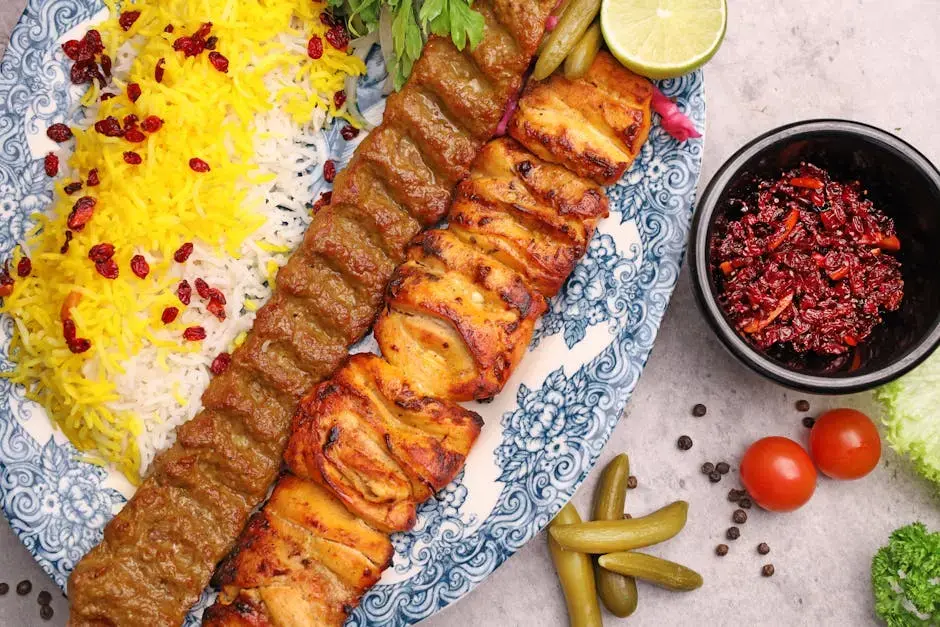
Persian cuisine is renowned for its masterful use of herbs and spices. Ingredients like saffron, rose water, and dried limes create a tapestry of flavors that are both exotic and comforting. We'll explore how these elements come together in dishes like kebabs, stews, and rice.
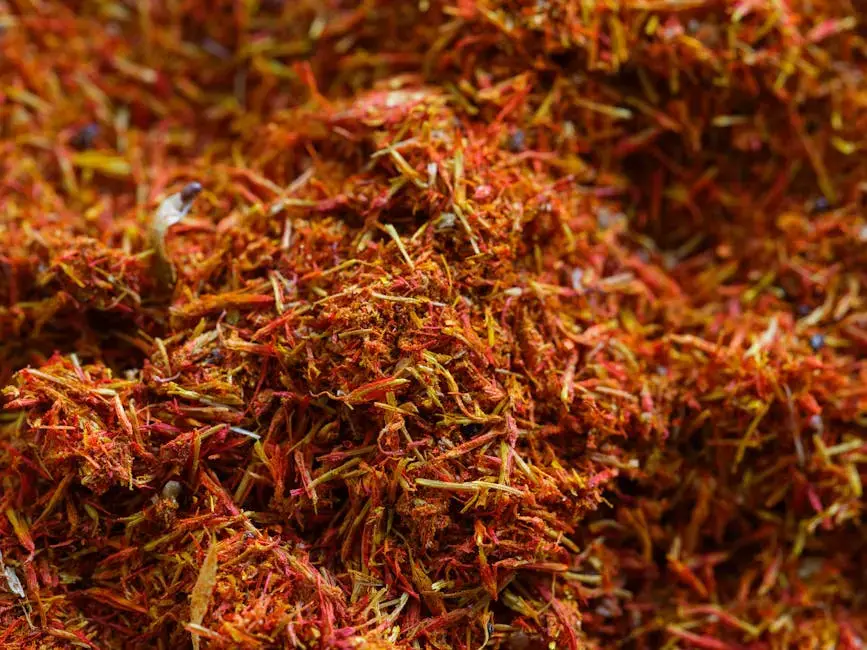
Saffron, often dubbed the 'red gold,' is a staple in Persian cooking. Its subtle yet distinctive aroma enhances both savory and sweet dishes, lending a luxurious touch that elevates even the simplest of meals. Combined with the floral notes of rose water, frequently used in both main courses and desserts, these ingredients create a kitchen alchemy that is uniquely Persian.
The use of dried limes in stews like 'Ghormeh Sabzi' introduces a tangy depth that's unmistakably Persian. Dried limes, along with a myriad of fresh herbs such as parsley and cilantro, make this dish a favorite among locals and tourists alike, offering a vibrant blend of tastes that captures the essence of Persian culinary heritage.
Traditional Persian Dishes You Must Try
From the savory tastes of Ghormeh Sabzi to the sweetness of Fesenjan, Persian cuisine boasts an array of dishes that cater to diverse palates. Discover the must-try dishes that showcase the essence of Persian culinary artistry.
Ghormeh Sabzi, often considered the national dish of Iran, is a herby stew rich with flavor and tradition. It combines kidney beans, tender meat, and a mix of fresh herbs slowly cooked to perfection. Its unique taste, partly owing to the addition of 'Omani limes,' leaves a lasting impression on anyone who tries it.
Then there's Fesenjan, a sauce-like stew featuring chicken or duck with a luscious blend of ground walnuts and pomegranate molasses. This dish, with its deep, rich flavors and velvety texture, represents the sweeter side of Persian cooking, where the balance between sweet and savory is artfully maintained.
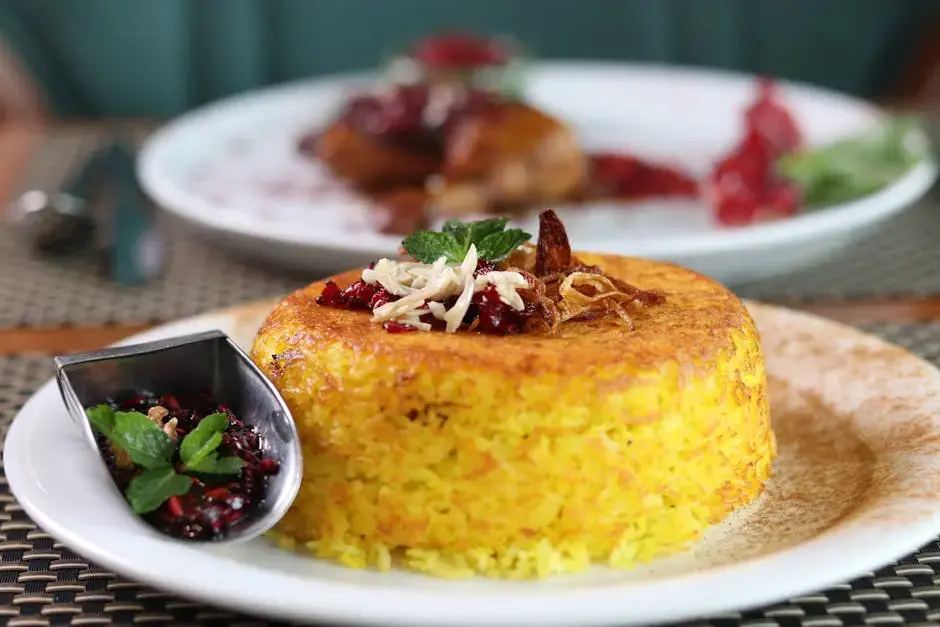
Persian rice dishes are a spectacle in their own right. 'Tahdig,' the crispy, golden crust that forms at the bottom of the rice pot, is a beloved part of any Persian meal. Meanwhile, 'Sabzi Polo' introduces green herbs into the fluffy rice, creating a vivid and aromatic accompaniment to fish, a traditional pairing for festive occasions.
Cultural Significance: Dining in a Persian Restaurant
Dining in a Persian restaurant is not just about the food but also about experiencing the warmth and hospitality that is central to Persian culture. We'll look at the customs and traditions that enhance the dining experience, making it a celebration of togetherness and friendship.
In Persia, hospitality is considered an art form, and this is vividly illustrated in the way food is presented and shared. Meals are often served family-style, with an abundance of options laid out for everyone to share. This creates an atmosphere of conviviality, as guests pass around dishes, engage in lively conversation, and create memories over a shared meal.
At the heart of a Persian dining experience is the concept of 'Taarof,' a customary practice of polite exchange and offering. It's common to see diners insistently offering food multiple times before a guest feels comfortable accepting. This ritual underscores the warmth and generosity inherent in Persian hospitality, making dining an experience of mutual respect and generosity.
Sweet Treats: Exploring Persian Desserts
No Persian meal is complete without indulging in its delightful desserts, from Baklava to Saffron Ice Cream. We'll explore how these sweet creations celebrate the use of sugar, nuts, and floral notes, providing a perfect ending to a sumptuous meal.
Persian desserts are a symphony of flavors where fragrant elements like rose and saffron mingle with nuts and sugar. 'Baklava,' layers of flaky pastry with a generous filling of chopped nuts and sweet syrup, is a dessert that exemplifies this harmony, delivering a satisfying crunch with every bite.
Another delightful offering is 'Saffron Ice Cream,' known as 'Bastani Sonnati.' Its creamy texture and unique mix of flavors from saffron and rose water make it a beloved treat, especially during the warm months. This ice cream reflects the Persian tradition of incorporating floral elements into desserts, transforming them into aromatic delights.
Nothing captures the essence of Persian indulgence more than 'Sholeh Zard,' a saffron-infused rice pudding. This dessert, adorned with cinnamon, rose water, and slivered almonds, celebrates the use of aromatic spices in sweets, allowing dessert lovers a fragrant conclusion to their meal.
A Feast for the Senses: Embracing Persian Culinary Traditions
Persian cuisine is truly a feast for the senses, offering a delightful blend of rich flavors, textures, and aromas that tell stories of a rich cultural heritage. We hope this culinary journey has sparked your curiosity and inspired you to explore Persian dining for yourself.
Comments