
Discovering the Flavors of a Persian Restaurant: An Authentic Experience
- Chelo
- Jun 6, 2025
- 5 min read

Persian cuisine is a delightful fusion of flavors, aromas, and colors, steeped in rich history and tradition. In this blog, we'll embark on a flavorful journey to explore the vibrant dishes a Persian restaurant has to offer, capturing the essence of an authentic culinary experience.

Understanding the Essence of Persian Cuisine
To truly appreciate Persian food, one must first understand its foundational elements. From saffron-infused dishes to herbs like mint and parsley, Persian cuisine is a unique blend of spices and flavors that tantalize the taste buds. The balance of sweet and savory in traditional recipes reflects centuries of culinary evolution.
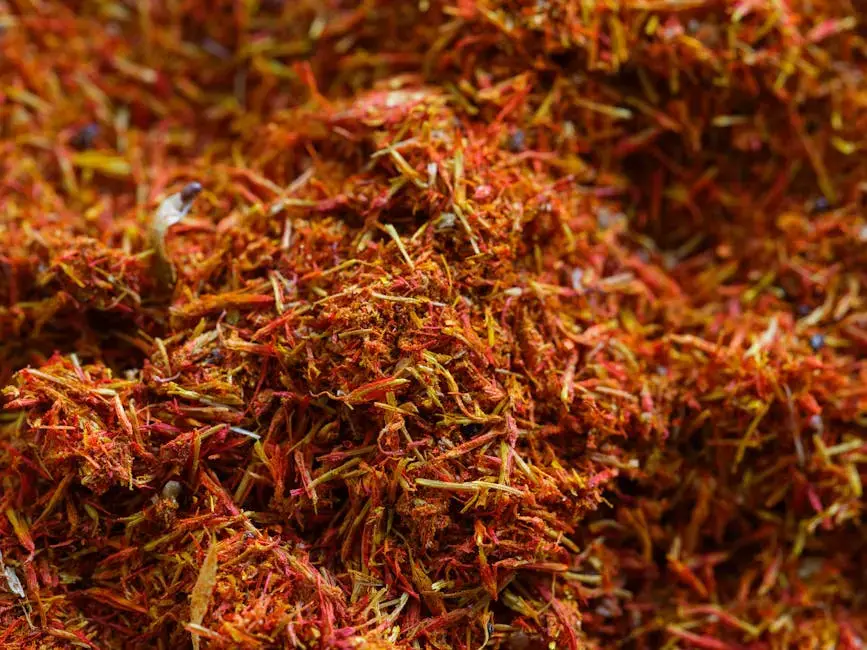
At the heart of Persian cooking is the use of aromatic ingredients such as saffron, cardamom, and cumin. These spices are more than just flavor enhancers; they are the essence of Persian culinary identity. Each spice tells a story, echoing ancient Persian traditions and cultural influences. The use of saffron in particular is not only a culinary choice but a symbol of opulence and rich history. Moreover, the artful combination of fresh herbs like dill, parsley, and cilantro adds a vibrant note to many dishes, providing a contrast to the more robust spices.
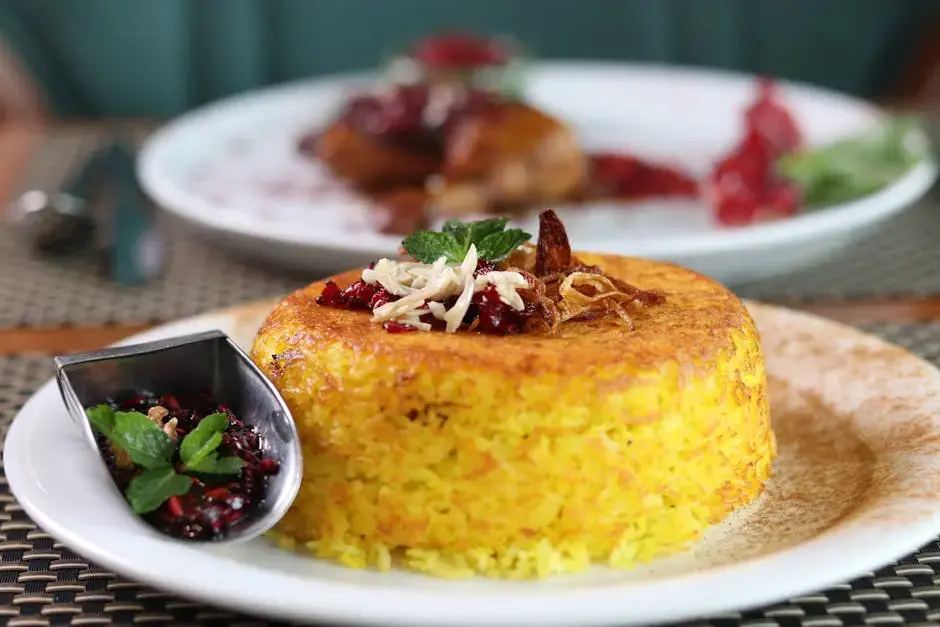
Rice, often referred to as 'the jewel of Persian cuisine,' is another staple that beautifully embodies the delicate harmony of textures and flavors. The methods of cooking Persian rice are meticulous, whether it's Tahdig, the coveted crispy bottom layer, or layered rice dishes like Baghali Polo, where dill and fava beans effortlessly intermingle with fragrant basmati rice. This culinary perfection is achieved through techniques passed down through generations, highlighting the importance of tradition in Persian kitchens.
Signature Dishes to Savor
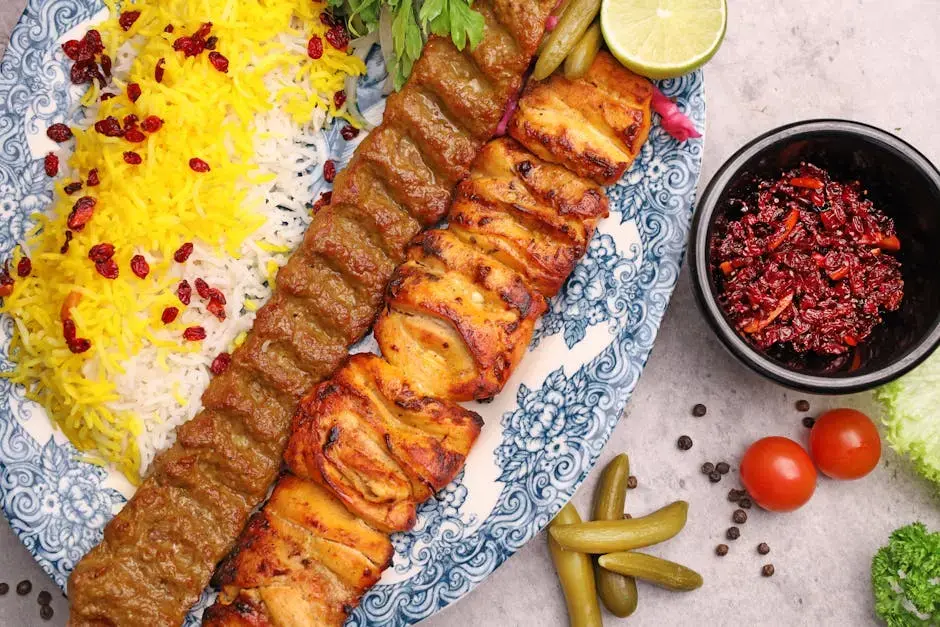
When dining at a Persian restaurant, some must-try dishes include Kabob Koobideh, a succulent minced meat kabob, and Fesenjan, a flavorful pomegranate and walnut stew. Each dish tells a story of its origins and is prepared with care and precision, making them a highlight of any Persian menu.
One cannot venture into Persian cuisine without indulging in the hearty and robust flavors of Ghormeh Sabzi. This Iranian herb stew is a medley of slow-cooked greens, kidney beans, and tender lamb, richly seasoned with dried limes that impart a unique tangy depth. The intricate balance of flavors in Ghormeh Sabzi is a testament to the art of Persian cooking, where each ingredient is carefully chosen to complement and enhance the others, creating an unforgettable taste experience.
Add to your culinary adventure the complex layers of the saffron and barberry-infused Zereshk Polo, a rice dish that dazzles with its combination of sweet and sour elements. Often served with chicken, this dish represents the Persian love for exquisite flavors and vibrant presentation, showcasing the delicate artistry involved in Persian cooking. Each mouthful is a symphony of textures; the burst of tart barberries against the backdrop of fragrant saffron rice transports diners to the heart of Persia.
The Art of Persian Hospitality
Hospitality is central to Persian culture, and this is keenly felt in its restaurants. The warm and welcoming atmosphere, coupled with attentive service, ensures that guests experience more than just a meal – they enjoy a heartfelt welcome into a cultural tapestry woven through taste and tradition.
In Persian households, guests are considered a blessing, and this philosophy extends into the vibrant soul of Persian eateries. From the moment you step into a Persian restaurant, you are enveloped in an ambiance that prioritizes genuine care and comfort, reflecting the cultural norms of generosity and warmth. Waitstaff attend to guests with an attentive grace, often offering insights into the history and preparation of each dish, which fosters a connection that goes beyond a superficial dining experience. This dedication to service is a testament to the cultural values deeply embedded in Persian society.
This culture of hospitality extends to the design and décor of Persian restaurants, where traditional music provides a soothing backdrop, and intricate Persian rugs and handcrafted artifacts adorn the spaces. All these elements together create a dining experience that is not only about the food but about the people, their history, and their way of life. To explore a Persian restaurant is to embark on a journey of cultural and gastronomic discovery, where the warmth of hospitality leaves an indelible mark on every visitor.
Exploring Traditional Persian Beverages
No Persian dining experience is complete without enjoying traditional beverages. From Doogh, a refreshing yogurt-based drink, to saffron tea, these beverages complement the dishes perfectly and offer a refreshing break between courses. Each sip is an introduction to Persian tastes and customs.
An encounter with Persian beverages is akin to savoring the stories and traditions woven into Persian culture. Take, for example, Doogh—a tangy, effervescent yogurt drink often enhanced with herbs like mint. This beverage offers a cooling contrast to the vibrant spices that define Persian cuisine, acting as a palate cleanser during a meal. On the other end of the spectrum is the beautifully aromatic Persian saffron tea, a reflection of the nation's rich heritage, brewed with strands of saffron and often accompanied by a delicate twist of cardamom. This tea not only complements meals but also offers a peaceful moment of reflection amid dining.
Discovering these beverages at a Persian restaurant provides an authentic glimpse into the daily life and customs of Persia, where such drinks are an integral part of the dining ritual. As you sip on these traditional drinks, you immerse yourself in the culture and explore the culinary artistry that has been refined across centuries, enhancing every course with its unique, culturally-rich taste.
Desserts that Complete the Experience
An end to a Persian meal is incomplete without the luscious and aromatic desserts such as Baklava or Faloodeh. The subtle sweetness of these desserts provides a perfect conclusion to the dining experience, leaving a lasting impression of Persian culinary excellence.
Baklava, with its thin layers of pastry filled with nuts and sweetened with honey or syrup, epitomizes the elegance and complexity of Persian desserts. The flavor profile is an intricate dance of textures and tastes, offering a sweet conclusion that lingers delightfully. Faloodeh, a semi-frozen dessert with rose water and vermicelli noodles, captivates the senses with its refreshing quality. This dessert reflects the Persian affinity for balancing sweetness with fragrant notes from rose water, creating a harmonious symphony of flavor that is beautifully light and refreshing.
In Persian culture, desserts are not just an ending; they are an integral part of the social and familial tradition, bringing people together around the table. The artistry involved in crafting these sweet finales extends beyond flavor, focusing also on appearance and presentation, which further enriches the dining experience. Indulging in these desserts at a Persian restaurant is more than just a treat for your taste buds—it is an exploration of centuries-old culinary traditions that encapsulate the history and artistry of Persia in every bite.
Final Thoughts on Persian Culinary Discoveries
Exploring the flavors of a Persian restaurant offers much more than just a savory treat; it provides an enriching glimpse into a culture that values hospitality, tradition, and culinary artistry. The harmonious blend of flavors invites diners into a world of taste and experience that is both exotic and comfortably familiar.
Comments