
Persian Desserts: A Guide to Sweet Traditions
- Chelo
- Jul 14, 2025
- 4 min read

Embark on a flavorful journey through the rich tapestry of Persian desserts. Known for their intricate flavors and stunning presentations, these sweet treats are the heart of Persian culinary traditions. This guide will introduce you to the most beloved Persian desserts, exploring their origins and unique characteristics.

The Allure of Saffron in Persian Sweets
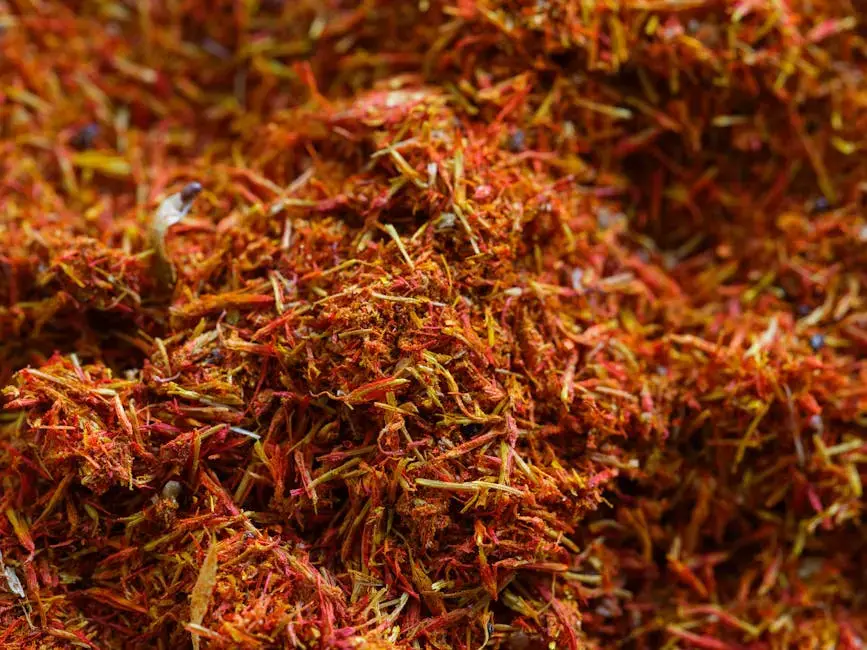
Saffron, often referred to as 'red gold', plays a crucial role in Persian desserts. Its aromatic flavor and vibrant hue can elevate any dish, making it a staple in many traditional recipes. High quality saffron, characterized by its vivid red filaments, is painstakingly handpicked, reflecting its high value. The use of saffron is not only limited to culinary delights but also carries a symbolic significance in Persian culture, representing prosperity and joy. In desserts like saffron ice cream, the spice provides a luxurious touch that is both visually stunning and deliciously aromatic. A popular street food treat, saffron ice cream often combines with pistachios to accentuate its rich taste. Meanwhile, saffron rice pudding, known locally as sholeh zard, tantalizes the palate with its warm, earthy sweetness, making it a favorite at festivals and family gatherings.
Beyond aesthetics, saffron's inclusion in desserts reflects a deeper narrative. For centuries, it has been celebrated for its medicinal properties, believed to elevate mood and energize the spirit. This triple duty of flavor, fragrance, and function is what makes saffron pivotal in Persian sweets. Its fragrance is both distinctive and suggestive of the warmth of Persian hospitality, inviting guests to savor and celebrate life. This tradition of hospitality can be explored in depth through Persian culture's culinary artistry that honors guests with such delicate desserts. Saffron truly encapsulates the essence of Persian dessert-making, intertwining culinary excellence with cultural resonance.
Exploring Rose Water's Fragrant Essence
Rose water, with its ethereal scent, brings a floral complexity to Persian desserts. This fragrant distillate has been a cornerstone of Persian confectionery for generations, prized for its ability to infuse sweets with a delicate, romantic aroma. Its origins in ancient Persia highlight its longstanding role not just in cuisine but in rituals and perfumery as well. In sweets like nokhodchi or Persian chickpea cookies, rose water balances the nutty flavors with its gentle perfume, creating a sensory experience that is both comforting and captivating. The delicate interplay of flavors in such desserts reflects the meticulous attention to detail that Iranian cuisine is renowned for. The history of rose water reveals a fascinating journey of this elixir from ancient apothecaries to modern culinary applications.
Employed in the making of Persian nougat, known locally as 'gaz', rose water works synergistically with ingredients like pistachios and almonds. Its inclusion transforms these nuts into a confection that is more than just a treat; it becomes a taste from the past, enveloping you in nostalgia and the timeless artistry of Persian craftsmanship. This evocative quality of rose water epitomizes the cultural importance of flavor in Persian confections, encouraging a harmonious balance that is as pleasing to the palate as it is to the soul. Rose water's versatility extends beyond desserts, finding its way into a variety of beverages and even savory dishes, underscoring its integral role in the broader context of Persian cuisine. This fragrant signature of Persian sweets is a testament to the culinary ingenuity embedded in the country's heritage.
Traditional Persian Sweets You Must Try
Persian desserts are as diverse as Iran's cultural tapestry, each sweet offering a unique glimpse into the country’s rich gastronomic narrative. Take bamieh, for instance—a deep-fried delicacy bathed in a fragrant syrup of rose water and saffron, mimicking miniature doughnuts that's often enjoyed during festive occasions like Nowruz or Ramadan. These syrupy delights offer a crispy exterior contrasting with their soft, syrup-soaked centers, making them irresistible to those with a penchant for traditional tastes. Dulcet and intricately flavored, bamieh captures the universal simplicity and pleasure found in Persian desserts.
Then there is sohan, a brittle confection teeming with the flavors of saffron and cardamom, often sprinkled with pistachios. This traditional treat originates from the city of Qom and is cherished for its unique texture that is both crunchy and chewy. Its preparation involves a meticulous process that highlights the craftsmanship central to Persian dessert-making. Each piece of sohan is a work of art, offering a balance of intricate flavors that are as timeless as the traditions they represent. The complexity of sohan's flavors mirrors the depth of Persian history, encapsulating a sweetness that is both nostalgic and enduring.
Crafting Desserts with a Persian Touch at Home
Bringing Persian sweets into your own kitchen can be a rewarding experience. With simple ingredients like saffron, rose water, nuts, and cardamom, you can recreate the authentic flavors and aromas of traditional Persian desserts. Start small, perhaps with a saffron-infused rice pudding, which allows you to appreciate the subtleties of this illustrious ingredient. Alternatively, crafting a batch of rose water-flavored almond biscuits can be a delightful endeavor that invites the scents of a Persian garden into your home.
For adventurous cooks, diving into the world of Persian pastries is an enticing venture. Begin with halvah, a simple yet indulgent sweet combining tahini and sugar, flavored with a hint of cardamom, that pays homage to Persia's rich confectionery history. Or perhaps a batch of traditional baklava, enhanced with Persian spices, could grace your dining table, offering layers of flaky pastry and nutty richness to impress any guest. Inviting these recipes into your home not only expands your culinary repertoire but also connects you to the tapestry of Persian culinary artistry. Self-taught enthusiasts often find the art of Persian baking both challenging and immensely rewarding, inviting you to celebrate in the delight and hospitality embodied in Persian dessert traditions.
Celebrating Tradition with Persian Desserts
Persian desserts offer more than just a sweet taste; they provide a window into the rich cultural tapestry of Iran. By exploring these delectable treats, you not only satisfy your sweet cravings but also join in the celebration of ancient traditions that continue to delight people worldwide.
Comments