
8 Essential Ingredients for a Perfect Persian Catering Feast
- Chelo
- Jul 20, 2025
- 5 min read

Embarking on a culinary adventure with Persian food is like stepping into a world of vibrant flavors and rich aromas. Known for its sophisticated blend of spices and textures, Persian cuisine offers a feast for the senses. Whether you're hosting a grand affair or an intimate gathering, making sure you have the essential ingredients is the key to a successful Persian catering experience. Let's dive into the must-haves for your next Persian feast.

1. The Magic of Saffron
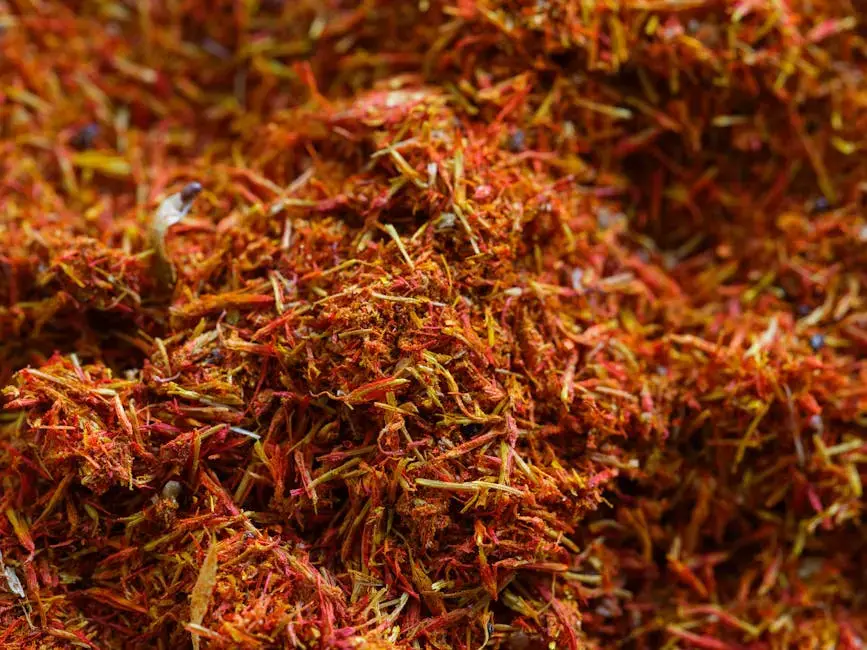
Saffron is undoubtedly the heart of Persian cuisine. This precious spice, with its deep red hue and distinctive aroma, adds a touch of luxury to any dish. Understanding its delicate balance can elevate your rice dishes, stews, and desserts to new heights, making your feast truly unforgettable. The cultivation and harvest of saffron are labor-intensive, which contributes to its high value. However, just a few strands can transform a dish profoundly, underlining the saying 'a little goes a long way.' When infused in water, saffron releases a golden hue that colors grains and lends a unique subtlety to the flavors it embraces.
Incorporating saffron into your cooking not only enhances flavor but also marks your feast with the luxury that Persian events are renowned for. In a Persian catering setting, saffron is typically added to basmati rice known as 'chelo' or used in 'khoresht', the traditional stews. Whether you're aiming to impress guests at a major event or simply treat yourself to an exotic dinner, learning how to properly use saffron will elevate the experience. Each dish becomes a canvas for the saffron's rich vermilion color, infusing the meal with a warmth and depth that speaks of Persian culinary heritage.
2. Sumac: A Tangy Twist
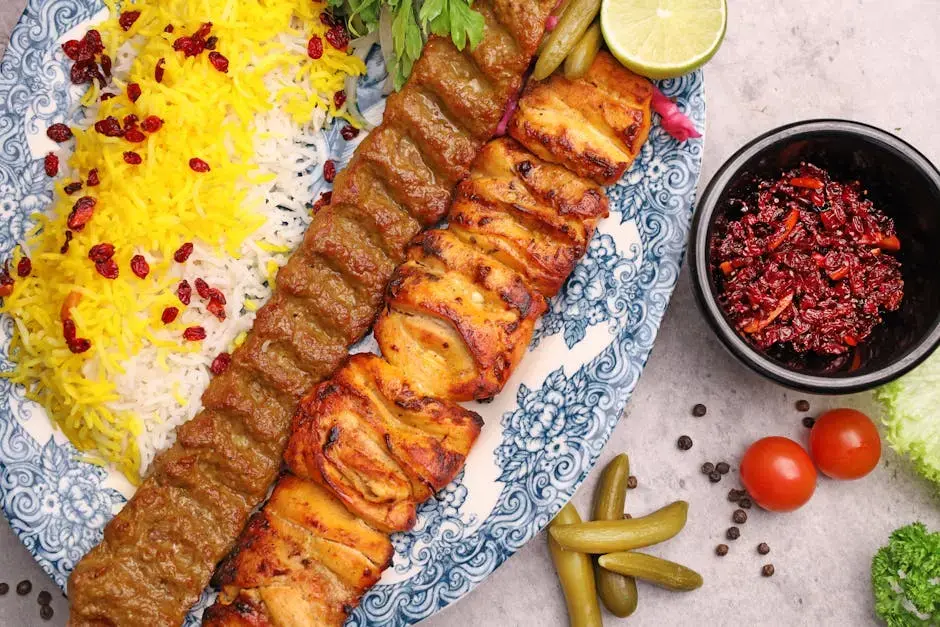
Adding a burst of tanginess, sumac is the perfect finishing touch for many Persian dishes. Its vivid red hue and lemony flavor enhance the taste of kebabs and salads, offering a refreshing contrast that enlivens the palate. Sumac comes from dried and ground berries of the wild sumac flower, bringing an earthy tang that is uniquely captivating. It's particularly used over kebabs and rice, providing a citrusy punch that is mild yet aromatic. Many diners might be surprised by how a sprinkle of sumac on their salad or grilled meats instantly lifts the dish's overall flavor.
While sumac is known for its tangy kick, it also carries antioxidant properties which complement its role in Persian gastronomy. The spice invites your guests to savor the depth of Persian flavors without overwhelming the senses. The light astringency of sumac balances the oils and flavors in rich dishes, making each bite vibrant and balanced. Serving sumac alongside other herbs and spices allows guests to season their food to taste, an invitation to engage actively with the textures and tastes before them.
3. Depth with Spices and Herbs
A Persian feast wouldn't be complete without a blend of aromatic spices and herbs like cinnamon, cardamom, turmeric, and parsley. These ingredients provide the depth and complexity that define Persian cuisine, transforming ordinary dishes into extraordinary delights. Each of these spices offers distinct yet harmonious flavors. For instance, turmeric, with its golden hue, not only enhances the visual appeal but also brings warmth to dishes like 'Adas Polo', a lentil rice dish. Cardamom pods are often used to scent both savory and sweet courses, adding a refreshing aroma that complements the hearty ingredients.
In addition to spices, herbs like mint, dill, and cilantro are staples in Persian kitchens, used generously in dishes such as 'Sabzi Khordan', a platter of fresh herbs. These freshly picked herbs add a crisp note to meals, creating a balance between rich, slow-cooked stews and the vibrant, raw freshness of greens. Whether mixed into yogurt dips or sprinkled over pilaf, these aromatic additions ensure that the Persian table remains a bouquet of flavors that caters to every preference.
4. Lushness of Pomegranates
Offering a perfect balance of sweetness and tartness, pomegranates are a beloved ingredient in Persian cooking. Whether in the form of molasses, juice, or fresh seeds, they add a vibrant splash of color and flavor, making them indispensable in your Persian culinary repertoire. Pomegranates are notably used in 'Fesenjan', a rich walnut-pomegranate stew, imparting a complex depth that is both comforting and luxurious. The ruby arils of fresh pomegranates not only adorn a dish with visual delight but also offer bursts of refreshing juice that enliven stews and rice alike.
Beyond their flavor, pomegranates have a symbolic presence in Persian culture, often associated with fertility and abundance. This makes them an apt ingredient for celebrations and gatherings where sharing abundance is a theme. Utilizing pomegranate seeds in salads or as garnishes for meat dishes not only adds a vibrant hue but also contributes to the dish's nutritional value, providing antioxidants and flavor in each juicy bite.
5. Dried Fruits and Nuts
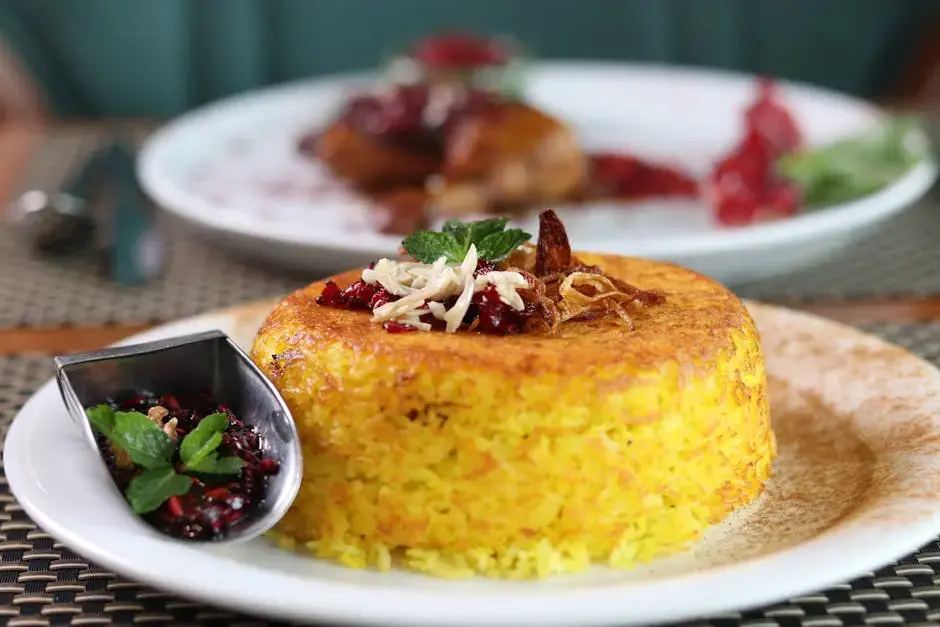
The use of dried fruits and nuts, such as apricots, raisins, pistachios, and almonds, is a hallmark of Persian cooking. These ingredients provide not just texture but also a rich flavor profile that beautifully complements the savory and sweet aspects of your dishes. In traditional Persian cuisine, dried fruits are often paired with meats or stews, as in the signature 'Zereshk Polo', where barberries—tiny, tart red gems—are cooked with saffron rice. The vivid contrast between the sweet-sour berries and the savory rice creates a dynamic taste experience like no other.
Nuts, meanwhile, bring a crunchy texture and an earthy richness to Persian dishes. From pistachios sprinkled over baklava to the subtle crunch of almonds in pilaf, these elements provide not just flavor but also a luxurious accent that completes the dining experience. Incorporating these components in your menu ensures a multifaceted gustatory adventure, bringing together the best of traditional Persian textures and tastes.
6. Golab: Rose Water for Elegance
Rose water, known in Persian as Golab, infuses sweetness and floral notes into Persian desserts and drinks. A dash of rose water can transform ordinary treats into aromatic delights, adding an elegant finish to your culinary presentation. This fragrant liquid is often used in sweets like 'Sholeh Zard' (a saffron rice pudding) or in cold drinks such as 'Sharbat', a traditional Persian soft drink. Its subtle yet distinct aroma is synonymous with luxurious hospitality, capturing the very essence of Persian feasts.
Beyond its use in sweets, Golab's fragrant properties enhance savory dishes as well, sometimes seen in recipes for roasted meats and rice dishes. The key to using rose water lies in moderation, as its potent scent can easily overpower other flavors. When used sparingly and with intention, it adds an exquisite layer of sophistication, turning your feast into a sensory celebration.
7. Rice: The Staple of Persian Cuisine
Known for its versatility, rice is the canvas on which many Persian dishes are built. Mastering the art of preparing fluffy basmati or fragrant Tahdig, the crispy rice delight, is essential for any Persian feast, offering a comforting base for rich stews and grilled meats. Cooking rice to perfection in Persian tradition is considered an art form, with techniques passed down through generations ensuring that each grain stands separate yet tender.
Rice accompanies nearly every meal in Persian culture, whether it's subtly flavored to accompany strong stews or infused with herbs and spices to stand alone as a centerpiece. One such preparation, 'Sabzi Polo', sees rice mixed with garlic and herbs, offering a unique twist on a traditional favorite. The iconic Tahdig, with its golden crust, is often the most anticipated part of the meal, eagerly awaited by guests and indicative of the cook's skill and dedication to perfection. Embracing this staple means embracing both tradition and innovation in your Persian culinary journey.
8. Yogurt: A Perfect Cooling Companion
Yogurt plays a vital role in balancing the rich flavors of Persian cooking. Served as a side dish or used as a marinade, it adds a refreshing lightness, making it an essential part of the dining experience, especially during warm weather gatherings. In dishes like 'Mast-o Khiar', yogurt is mixed with cucumber and herbs, providing a cooling contrast to spicy or heavy dishes. This simple yet effective combination highlights the versatility of yogurt in Persian cuisine.
Comments