
How Do Persian and Mediterranean Flavors Complement Each Other?
- Chelo
- Jul 19, 2025
- 3 min read

Persian and Mediterranean cuisines are both rich in history and bursting with flavor. While distinct in many ways, they share common elements that make them a fantastic pairing. This FAQ explores how these two flavorful worlds come together, enhancing each dish with a blend of exotic and familiar tastes.

Understanding the Core Flavors of Persian Cuisine
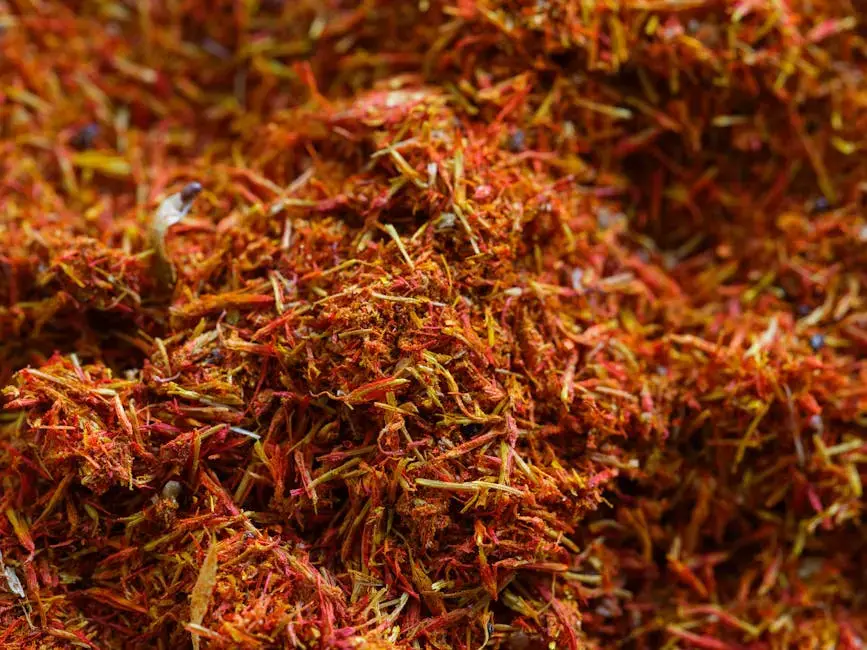
Persian cuisine is known for its fragrant spices, such as saffron, cardamom, and cinnamon. The use of fresh herbs and dried fruits adds layers of nuance to its complex flavor profiles.
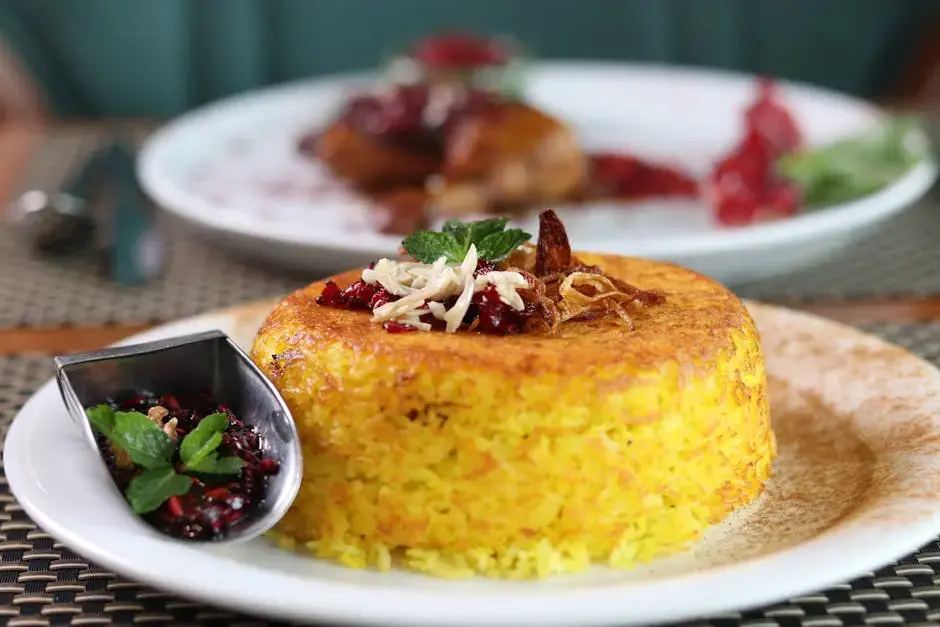
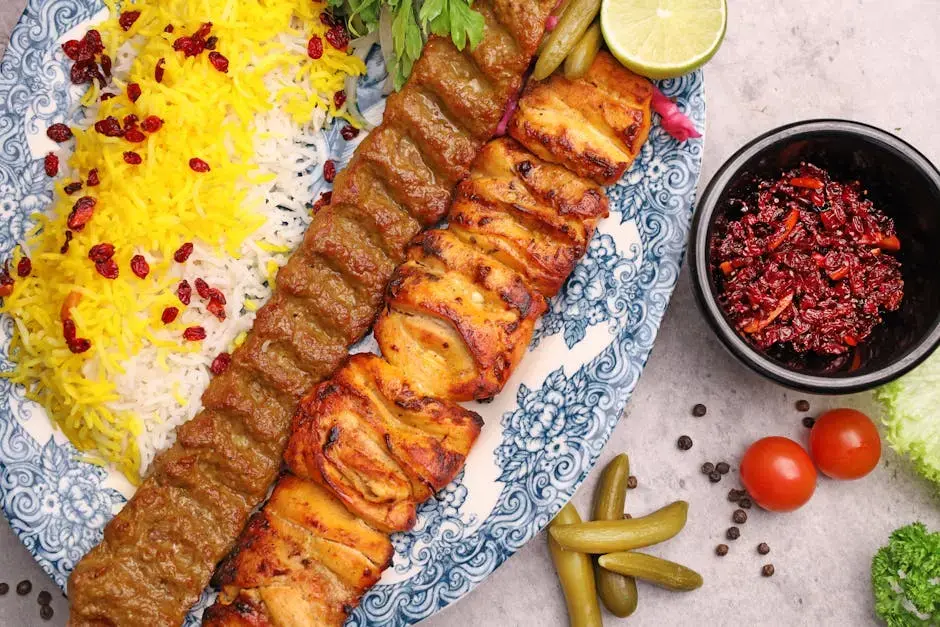
In Persian cooking, you'll often find dishes that bring together sweet and savory components in a way that is both unexpected and delightful. For instance, the use of barberries and pomegranates adds a tartness that contrasts beautifully with the sweetness of caramelized onions or saffron rice.
The focus on lush, aromatic spices not only defines Persian cuisine but also makes it uniquely suited to blending with Mediterranean's earthy flavors. Spices play a crucial role, offering not just taste but a sense of warmth and comfort that draws people in.
Exploring the Staples of Mediterranean Cuisine
Mediterranean cuisine emphasizes the use of olive oil, fresh vegetables, and ingredients like tomatoes, garlic, and basil. These elements create light, flavorful dishes that are both nourishing and satisfying.
Elsewhere in the Mediterranean, a heavy reliance on herbs such as oregano, rosemary, and thyme provides a distinctive aroma that complements the cuisine's fresh ingredients. The Mediterranean diet is renowned for its health benefits, combining nutrition with simple, pleasurable indulgence.
The variety of textures in Mediterranean dishes, from creamy hummus to crisp, fresh salads, showcases the diversity and creativity inherent in this style of cooking. It is a versatile cuisine that encourages experimentation and enjoyment.
Shared Ingredients and Techniques
Both cuisines frequently use ingredients like yogurt, nuts, and pomegranates. Techniques such as grilling and slow-cooking enhance the depth of flavor, making these dishes rich and memorable.
The intersection of these culinary worlds is especially evident in shared cooking methods. Grilling brings out the smoky essence of both cuisines, creating memorable dishes enjoyed by many.
Yogurt is another common thread, often used as a base for dips, dressings, or marinades in both Persian and Mediterranean culinary traditions. Its tangy, creamy consistency can mellow out strong flavors, creating a more balanced dish.
The Art of Blending Spices and Herbs
Combining Persian spices with Mediterranean herbs can elevate a dish, providing a harmonious balance between tangy, sweet, and savory notes that tickle the taste buds.
The essence of creating a perfect blend lies in understanding the balance each spice or herb brings to a dish. When combined, Persian and Mediterranean flavors create a culinary magic that transforms simple meals into shared cultural experiences.
The layering of flavors allows each element to shine without overpowering the others, making the fusion of these two cuisines a delightful culinary journey.
Creating a Balanced Fusion Dish
To craft a balanced fusion, consider starting with a Mediterranean base and layering Persian spices and garnishes. This approach highlights the best of both worlds, delivering a dish that's full-bodied and flavorful.
Experimentation is key. By mixing traditional recipes and allowing creativity to flow, new and exciting dishes can emerge that honor both Persian and Mediterranean culinary legacies.
Remember, successful fusion cooking requires not just an understanding of ingredients but also the cultural significance they bring to the table. Plating a dish that combines these elements can result in an unforgettable gastronomic experience.
The Fusion of Persian and Mediterranean Flavors
The beauty of combining Persian and Mediterranean flavors lies in their shared celebration of fresh ingredients, bold spices, and vibrant tastes. Together, they create dishes that are not only delightful to the palate but also offer a taste of the rich culinary traditions of the regions. By exploring these complementary flavors, you can enjoy a unique dining experience that bridges cultures and satisfies the senses. For a taste of this delightful fusion, explore our offerings on our homepage.
Comments