
Savoring the Mediterranean: Essential Dishes You Must Try
- Chelo
- Aug 15, 2025
- 5 min read

The Mediterranean region is renowned for its vibrant cultures, stunning landscapes, and, perhaps most enticingly, its incredible cuisine. Each dish tells a story of tradition, history, and a passion for fresh ingredients. Let's embark on a culinary journey through this rich and diverse region, exploring the must-try dishes that capture the heart of the Mediterranean.

The Allure of Greek Moussaka
A cornerstone of Greek cuisine, moussaka is a heartwarming dish composed of layers of eggplant, ground meat, and creamy béchamel sauce. The harmonious blend of spices and the comforting texture make moussaka a quintessential Greek favorite. Cooking moussaka requires patience and a careful layering technique, ensuring that each bite is infused with the rich flavors of Mediterranean spices like cinnamon and nutmeg. The dish is often served at family gatherings and celebrations, representing the warmth and hospitality of Greek culture. Learning to make moussaka opens a window into Greek culinary heritage, reflecting a tradition that values shared meals and the joy of eating together.
One fascinating aspect of moussaka is its ability to evolve depending on regional variances. For example, some variations may include potatoes or zucchini, while others opt for a vegetarian version. This adaptability is part of what makes moussaka such a beloved dish across Greece and beyond. As a reflection of Mediterranean cooking principles, the use of fresh, seasonally available produce, high-quality olive oil, and a balanced combination of spices ensures that moussaka retains its authentic flavor, regardless of the change in ingredients.
If you're planning to recreate this dish at home, a trip to a local Greek market can be an adventure in itself. Picking out fresh ingredients, engaging in lively conversations with vendors, and sampling items such as olive oil or herbs can be part of a delightful cultural experience. Recreating the dish enables you to appreciate the significance of moussaka as a culinary symbol, one that continues to captivate people with its alluring taste and rich history.
Indulging in Italian Caprese Salad
With its vibrant colors and fresh flavors, Italian Caprese salad embodies the essence of simplicity. Made with fresh tomatoes, creamy mozzarella, fragrant basil, and a drizzle of olive oil, it’s a refreshing starter that highlights the beauty of Mediterranean ingredients. Its elegance lies in the quality of each ingredient, as their flavors elegantly weave together to create a dish that is both light and satisfying. Originating from the island of Capri, Caprese salad reflects the island's beauty, with its simple yet flavorful composition mirroring the laid-back lifestyle and breathtaking vistas of the Mediterranean coastline.
Caprese salad is perfect for any occasion, whether a formal dinner or a casual picnic. Its preparation requires minimal effort, making it accessible to even the most novice cook. The dish not only pleases the palate but also serves as a feast for the eyes, with its vibrant presentation echoing the stunning natural landscapes of Italy. Incorporating elements like balsamic reduction or a sprinkle of sea salt can add depth to its flavor profile, enhancing the taste without overshadowing its foundational ingredients.
What makes Caprese salad even more interesting is its flexibility. Some variations include the addition of avocados, pine nuts, or even quinoa, adapting the classic recipe to suit modern dietary preferences while retaining its signature characteristics. Its universal appeal stems from its adaptability and the way it showcases the harmonious blend of flavors that Italian cuisine is celebrated for.
Savoring Spanish Paella
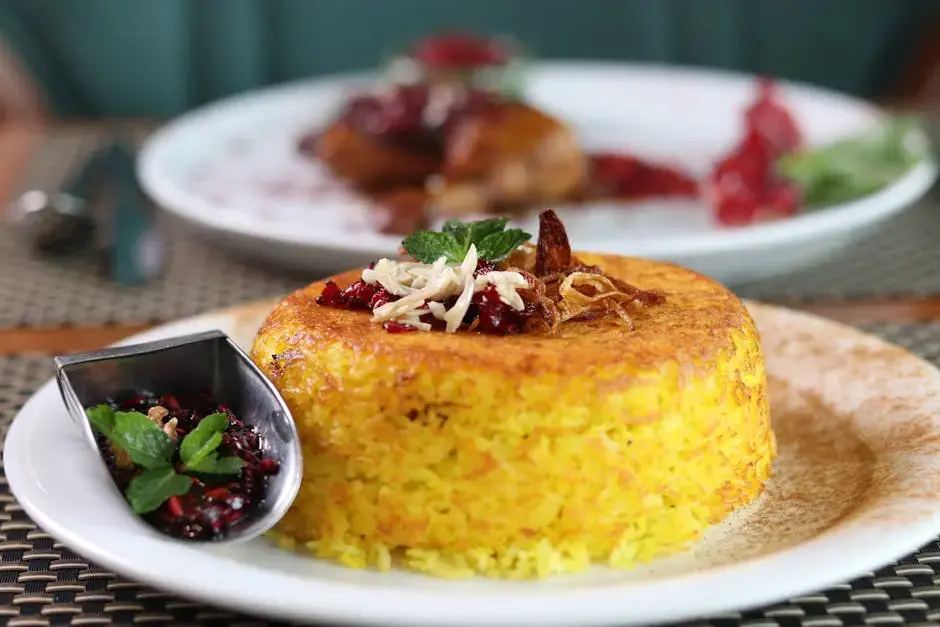
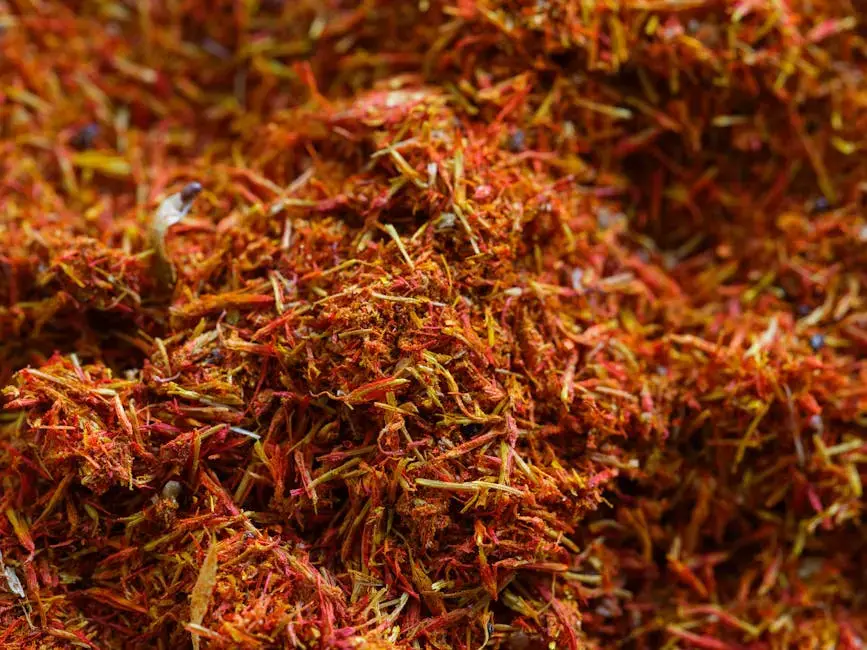
Originating from Valencia, Spain, paella is a delectable rice dish renowned for its rich saffron-infused flavors. With variations including seafood, chicken, and vegetables, it's a communal feast that brings people together. The dish's iconic saffron hue makes it visually captivating, and its savory taste is as deep and diverse as Spain's culinary landscape. Cooking paella is as much about the experience as it is about the final dish—a true reflection of Spain's communal dining culture.
Traditionally cooked over an open flame in a large, shallow pan, paella requires a specific technique to achieve the perfect texture. The rice should be slightly al dente, with a crispy layer forming at the bottom known as 'socarrat.' This coveted crust adds a unique texture and is cherished by paella enthusiasts. Incorporating seafood such as prawns, mussels, and squid enhances the dish's complexity and creates an authentic taste of the Spanish coast.
In Spain, dining is a lively social affair, and paella exemplifies this beautifully. It's often served during family gatherings or festive occasions, acting as a centerpiece that encourages conversation and camaraderie. Each region in Spain has its unique version of paella, making it a versatile dish that continually excites the taste buds, no matter where or when it's enjoyed.
Tasting the Authentic Lebanese Mezze
The Lebanese mezze is more than just a meal—it's a social experience. Featuring dishes like hummus, baba ghanoush, and tabbouleh, this assortment of small bites is perfect for sharing and offers a delightful array of flavors. Gathering around a table filled with mezze is a cherished Lebanese tradition, as it enables people to share a wide variety of dishes, each with distinct tastes and textures. This meal setup reflects the Lebanese culture of hospitality, inviting guests to sample and savor as many flavors as possible.
Each dish within the mezze has a rich backstory, often tied to local traditions and practices. For instance, the beloved hummus boasts a creamy texture created by blending chickpeas with tahini, lemon, and garlic. Baba ghanoush offers a smoky depth achieved by roasting eggplants, while tabbouleh combines fresh parsley, mint, tomatoes, and bulgur, resulting in a refreshing salad.
Lebanese mezze encourages experimentation, allowing you to mix and match the various dishes to suit your taste. Whether enjoyed as a starter or the main course, it exemplifies the Mediterranean approach to dining, where the focus is on sharing and enjoying different flavors. Each bite tells a story, capturing the essence of Lebanese culinary artistry and the vibrant tapestry of this beautiful region.
Discovering Moroccan Tagine
Named after the traditional clay pot in which it is cooked, tagine is a slow-cooked stew with a delightful blend of savory and sweet flavors. Spices like cinnamon, cumin, and ginger give Moroccan tagine its distinctive and exotic taste. Cooking methods in a tagine pot enhance these flavors, and the dish's aroma is captivating, filling the home with enticing scents that are a hallmark of Moroccan cuisine. Traditionally, tagine is served in the pot it is cooked in, allowing diners to enjoy the elegant presentation it offers, while also preserving its heat and moisture.
Tagine recipes are versatile, catering to varied palates by incorporating different ingredients ranging from lamb, chicken, and fish to hearty vegetables and chickpeas. Usually garnished with toppings like almonds, dried fruits, or preserved lemons, each variation adds new dimensions to the dish, reflecting Morocco's unique way of infusing sweet and savory together. Understanding the art of spices plays a crucial role in achieving an authentic tagine, as these spices are essential in building layers of complex flavor.
The use of the tagine pot is an integral cultural element, one that symbolizes the rich history and communal spirit of Moroccan dining. Gathering around a tagine can be a rewarding social event, inviting friends and families to partake in a meal that symbolizes warmth, unity, and tradition. This communal aspect of tagine is an essential part of how Moroccan cuisine is experienced, reflecting the deep connections between food, family, and cultural expression.
Embrace the Flavors of the Mediterranean
The Mediterranean cuisine is a celebration of flavors, aromas, and cultural heritage. Each dish presents an opportunity to travel to a different part of the region, savoring the unique tastes and traditional methods that have been cherished for generations. So, whether you're a foodie or simply curious, dive into these essential dishes and experience the authentic Mediterranean magic. Visit our homepage to explore more delights and embark on your own journey of taste.

Comments