
Are Kebabs a Healthy Dining Option?

Kebabs are a staple of many cuisines around the world, known for their delicious flavors and versatility. But when it comes to health, are they really a good choice? In this FAQ, we'll dive into the nutritional aspects of kebabs to help you determine if they can be part of a healthy dining experience.

What Are Kebabs Usually Made Of?
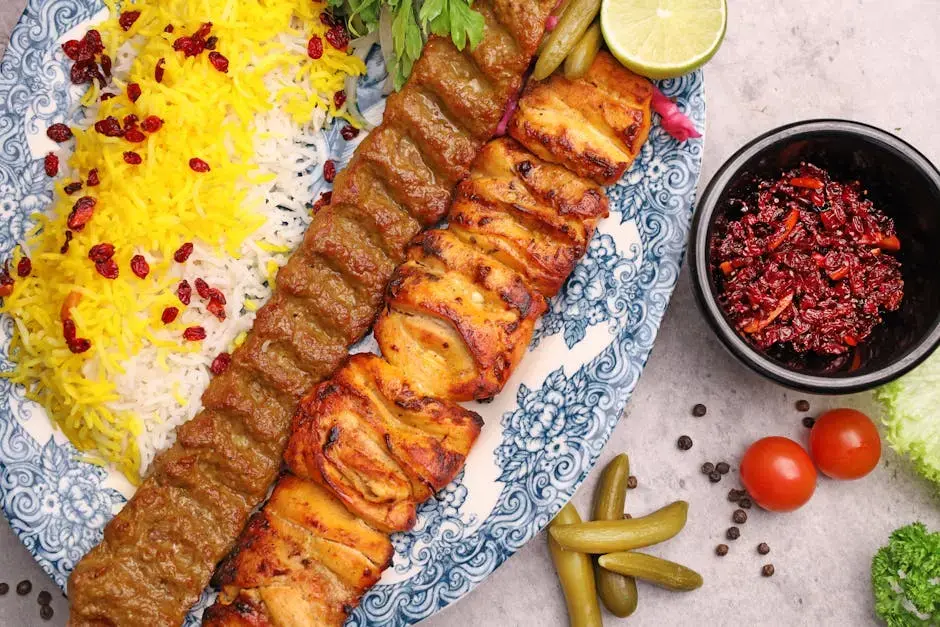
Kebabs typically consist of grilled meat, often served on a skewer with vegetables. Common proteins include lamb, beef, chicken, and sometimes fish or plant-based alternatives.
The choice of meat is crucial in a kebab. For instance, lamb is a traditional choice known for its rich flavor and tender texture. However, if you're looking for a lower-calorie option, chicken or fish might be a better choice as they generally contain less fat compared to red meats.
Vegetables play a significant role in kebabs, providing both nutrients and flavor. Ingredients like bell peppers, onions, and zucchini are frequently used, adding color and a variety of vitamins and minerals to the dish. These not only enhance the nutritional profile but also bring a refreshing balance to the protein-heavy components.
How Nutritional is a Kebab?
The nutritional value of a kebab depends on its ingredients. Lean meats and plenty of veggies can make it a healthy option, while fatty cuts and heavy sauces might not be as nutritious.
A well-balanced kebab can be a good source of protein, essential vitamins, and minerals. For instance, chicken kebabs can provide a substantial amount of lean protein, necessary for building and repairing tissues. The choice of vegetables further boosts the antioxidant and fiber content, which supports digestive health.
On the other hand, excessive use of sauces, especially those high in sugar or fat, can significantly alter the nutritional content of a kebab. It's essential to be mindful of what goes on your plate to ensure it maintains its health benefits.
What Ingredients Should You Choose for a Healthier Kebab?
Opt for lean meat such as chicken or fish, incorporate a variety of vegetables, and consider using whole-grain wraps or skewers to boost fiber content and nutrition.
To enhance the healthiness of your kebabs further, you might want to explore plant-based protein alternatives. Tofu, tempeh, or seitan can provide a hearty texture and are excellent choices for vegetarians or those looking to reduce meat consumption.
Herbs and spices are also a great way to add flavor without extra calories. Ingredients such as garlic, cumin, and paprika can elevate the taste of your kebab while providing additional health benefits like anti-inflammatory properties.
Are There Common Pitfalls to Avoid?
Watch out for processed meats, excessive oils, and sugary sauces. These additions can add unnecessary calories and fats, reducing the meal’s overall health benefit.
Another common mistake is the overuse of refined grains, such as white flour-based pita or tortillas, which can detract from the healthfulness of your meal. Opting for whole-grain variants can enhance the fiber content, keeping you fuller for longer.
It's also important to consider portion sizes. Kebabs can be so delicious that it's easy to overeat. Keeping your meal moderate and balanced will ensure you're enjoying kebabs in a way that's health-conscious.
Can Kebabs Fit into a Balanced Diet?
Absolutely, kebabs can fit well into a balanced diet as long as the choices made in preparation align with nutritional guidelines. Balancing the meal with the appropriate portions of protein, healthy fats, and carbohydrates is key.
For instance, pairing kebabs with a side of whole-grain couscous or a fresh salad can make for a filling and nutritious meal. It's all about striking the right balance and incorporating variety to ensure a wide range of nutrients are being consumed.
Final Thoughts on Kebabs: A Healthier Choice
In conclusion, while kebabs can be a healthy choice depending on their ingredients and preparation methods, it's essential to be mindful of the potential pitfalls. Opt for lean proteins, plenty of vegetables, and whole-grain options where possible. With these considerations, kebabs can certainly be enjoyed as part of a balanced diet.

Comments