
How Does Basmati Rice Enhance the Flavor of Persian Dishes?
- Chelo
- Aug 29, 2025
- 3 min read

Basmati rice is renowned for its unique aroma and delicate flavor, making it a staple in many cuisines around the world. In Persian cuisine, this fragrant rice variety plays a crucial role in elevating the flavors of various traditional dishes. Whether you're new to Persian cooking or a seasoned chef, understanding how basmati rice enhances these dishes can transform your culinary experience.

Why Basmati Rice?
Basmati rice is favored for its long grains and unique, nutty flavor. In Persian dishes, its ability to absorb spices and flavors while maintaining a distinct aroma makes it ideal for creating aromatic and flavorful meals.
This rice variety's natural nutritional profile is also a delightful bonus. Packed with essential nutrients, basmati rice offers a wholesome experience without overshadowing the vibrant flavors of Persian herbs and spices.
A fascinating aspect of basmati rice is its low glycemic index compared to other rice types. This means it is slowly digested, helping maintain stable blood sugar levels—a factor appealing to health-conscious diners indulging in Persian delicacies.
The Role of Aroma
One of basmati rice's standout features is its fragrance. When cooked, it releases a unique aroma that complements the rich flavors of Persian spices and ingredients, enhancing the sensory experience of the meal.
This delightful aroma is no coincidence—it's due to the presence of a compound called 2-acetyl-1-pyrroline, which is also found in foods like pandan and certain types of popcorn. Its enticing scent makes Persian feasts truly memorable.
In addition to enhancing the flavor profile, the fragrance of basmati rice can elevate an entire dining experience. Imagine a gathering where the delightful aroma wafts through the air, setting the stage for what promises to be a flavor-packed meal.
Texture and Visual Appeal
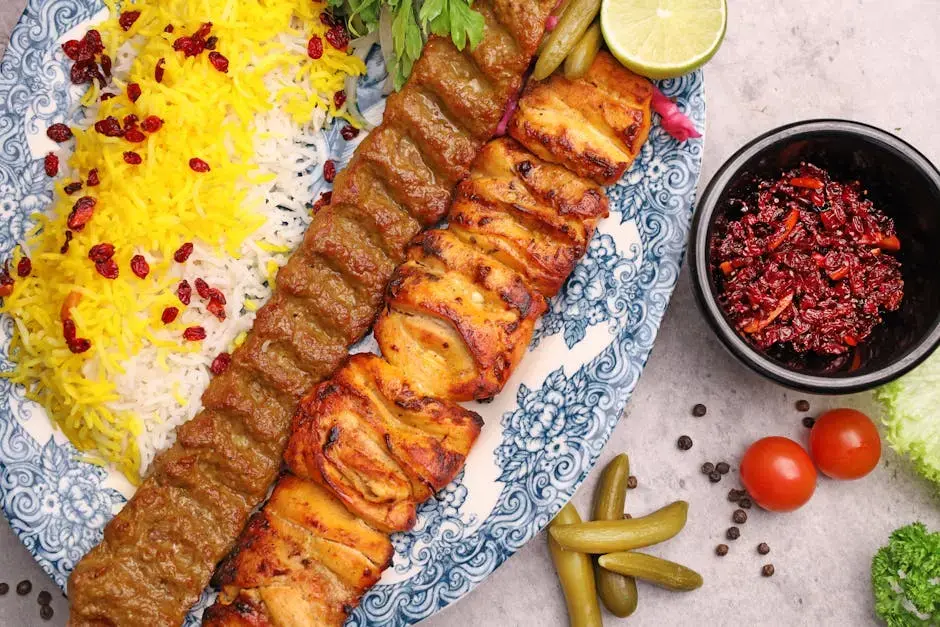
In Persian cuisine, the texture of rice is important. Basmati rice, with its fluffy and separate grains, provides an appealing texture that contrasts perfectly with Persian stews, kebabs, and other dishes. It also adds a visual appeal with its long, slender grains.
The art of preparing basmati rice is a cherished skill in Persian kitchens. Achieving the ideal balance of fluffy yet distinct grains requires mastering techniques such as steaming and parboiling, reflecting the care and attention given in Persian culinary traditions.
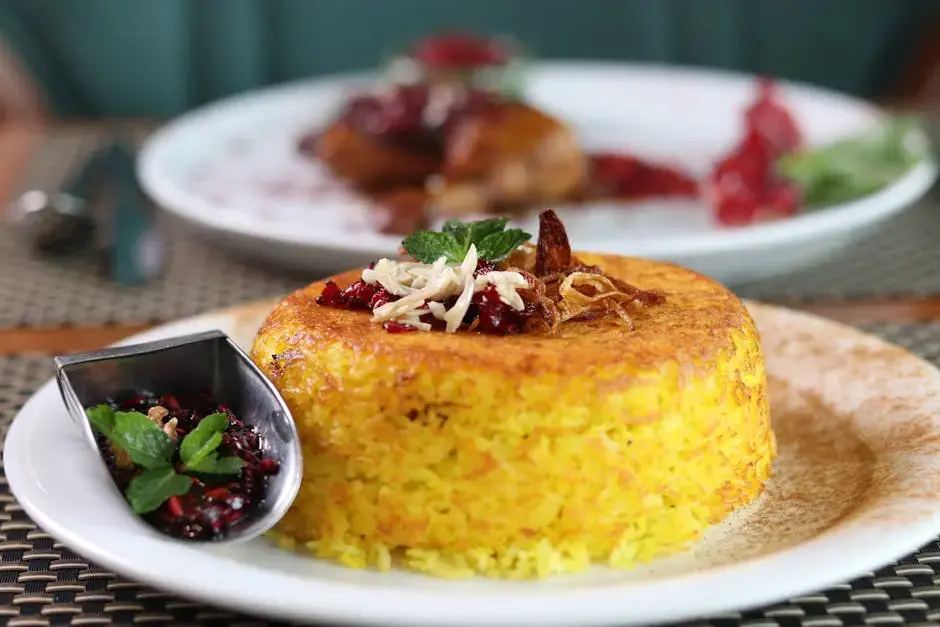
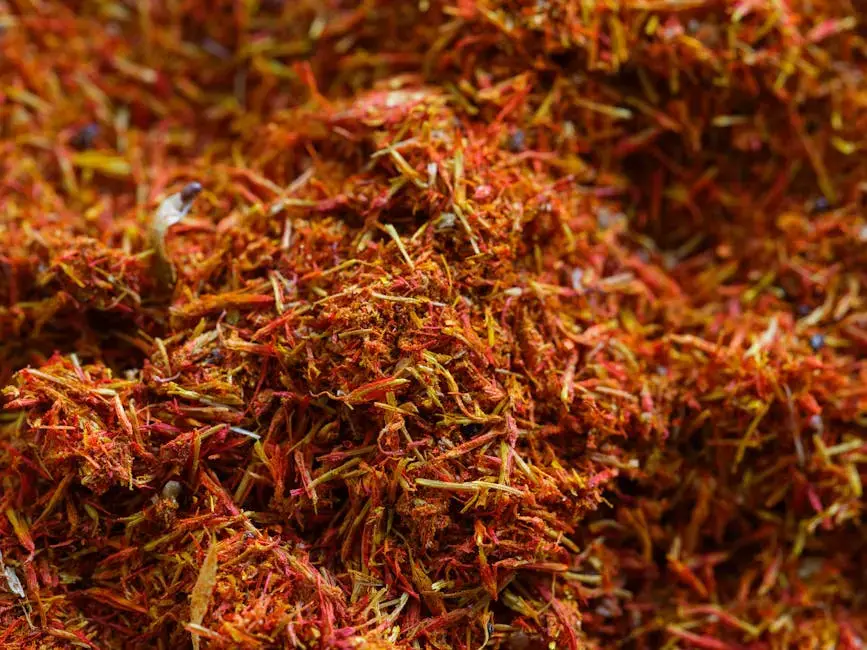
The rice's golden hue when infused with saffron is a feast for the eyes, enhancing the presentation of any dish. This visual delight often mirrors the rich history and culture woven into every Persian entrée.
Perfect Pairing with Persian Spices
Persian dishes are known for their use of spices like saffron, turmeric, and cinnamon. Basmati rice pairs beautifully with these spices, absorbing their essences while providing a neutral base that allows the flavors to shine.
The versatility of basmati rice is further showcased in classic Persian dishes such as polo and tahchin, where it is often flavored and colored by a variety of ingredients, making each bite a delightful surprise.
Basmati's ability to seamlessly blend with spices extends beyond taste. It acts as a backdrop that enables the vibrant flavors of Persian cuisine to tell their story, much like a canvas allows an artist's vision to come to life.
The Secret Ingredient in Persian Cuisine
Basmati rice is more than just an ingredient in Persian cooking; it's a foundation that enhances flavors, provides aroma, and elevates the overall dining experience. Whether used as a bed for flavorful stews, a component of a delectable pilaf, or a fragrant side, basmati rice is an essential part of what makes Persian dishes so beloved and delicious.
Comments